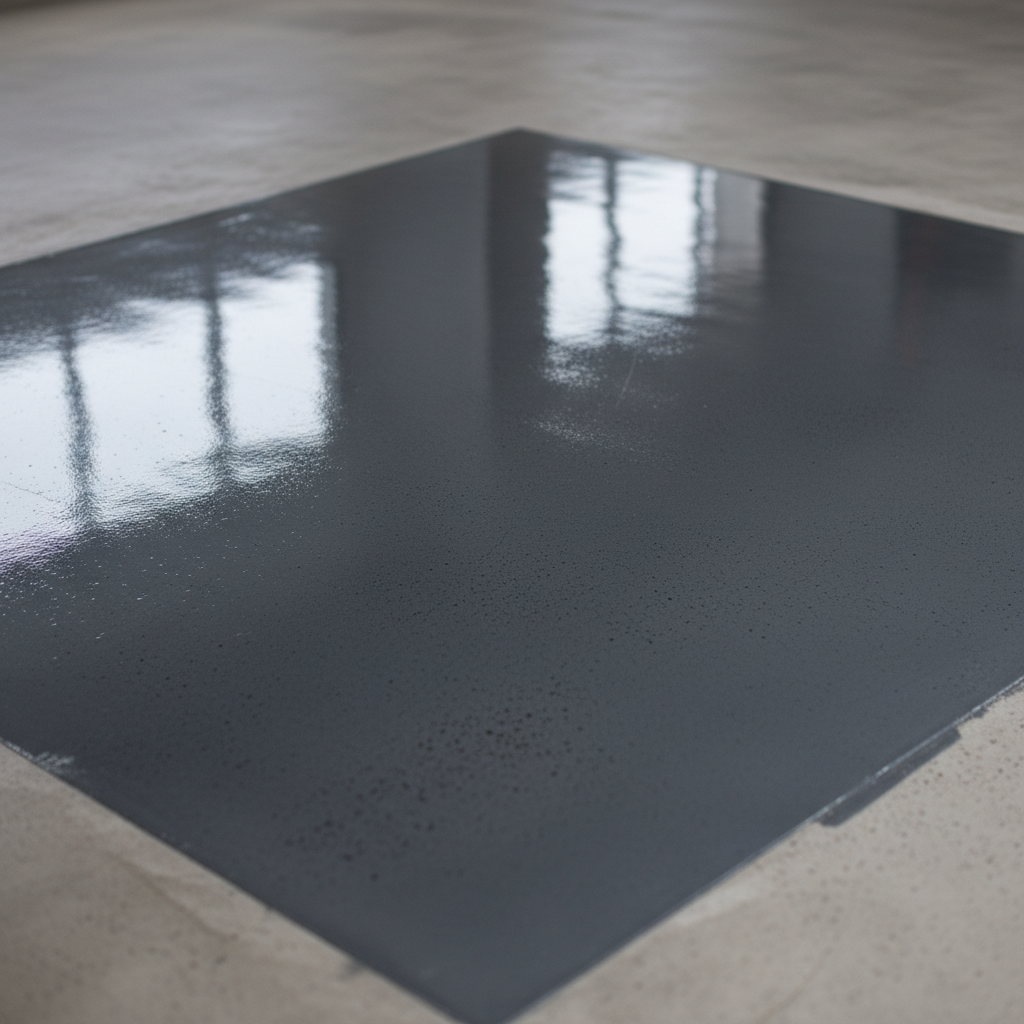
Top Misconceptions About Coating Inspection Debunked


Introduction
Coating inspection is a critical process in various industries, ensuring the longevity and effectiveness of protective coatings. However, several misconceptions persist about this essential practice. In this article, we aim to debunk these myths and provide clarity on what coating inspection truly entails.
Misconception 1: Coating Inspection is Unnecessary
One of the most common misconceptions is that coating inspection is an unnecessary step. Some believe that a well-applied coating will naturally perform without oversight. However, regular inspections are crucial to identify defects or deterioration that may not be visible to the naked eye.
Inspections help ensure that coatings meet industry standards and perform as expected over time. Without them, minor issues can escalate into significant problems, leading to costly repairs.
Misconception 2: Any Inspector Can Do the Job
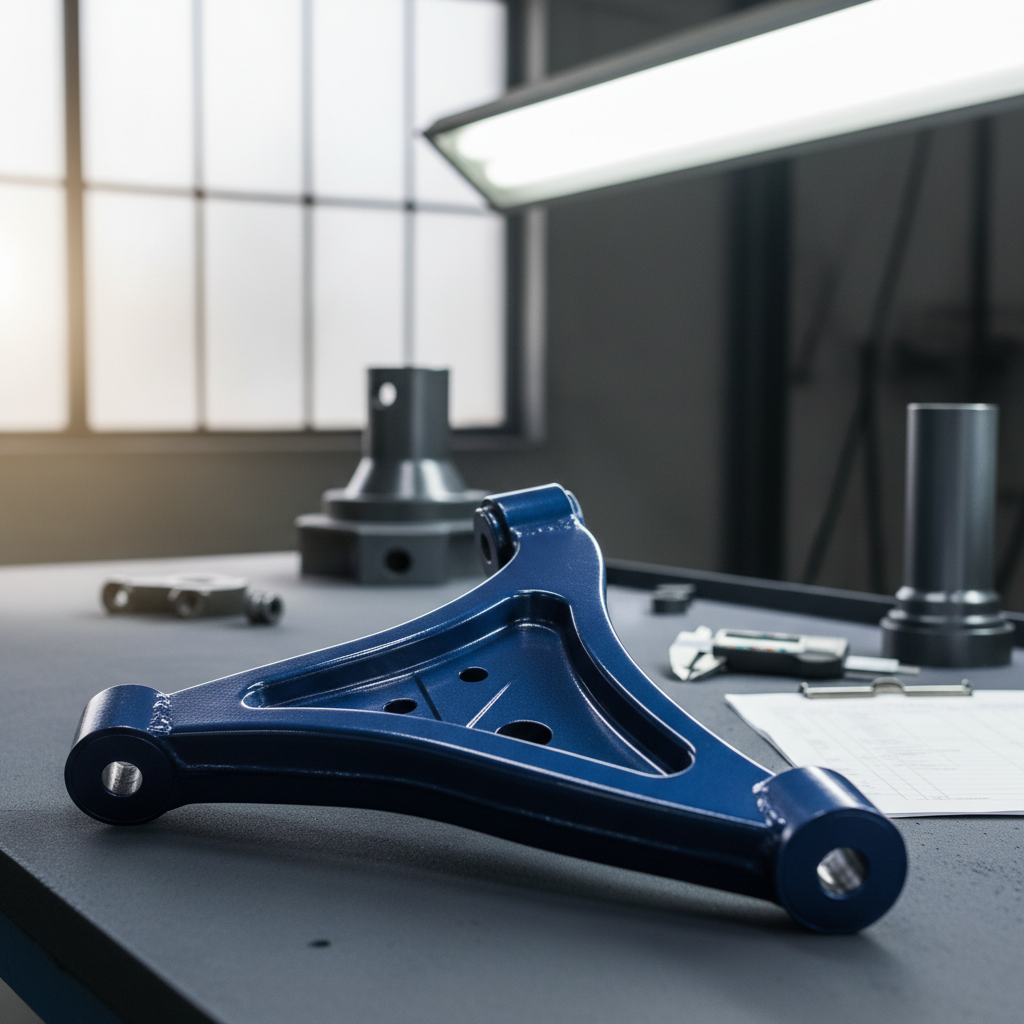
Another myth is that any inspector can conduct a coating inspection. In reality, coating inspection requires specialized training and certification. Qualified inspectors understand the nuances of different coatings, application techniques, and potential failure modes.
Hiring a certified inspector can make a difference in the quality and accuracy of the inspection results, ultimately influencing the durability of the coating.
Misconception 3: Visual Inspection is Sufficient
Many believe that a simple visual inspection is adequate to assess a coating's condition. While visual inspections are part of the process, they are not enough. Advanced testing methods such as thickness measurements, adhesion tests, and environmental assessments provide a comprehensive evaluation.
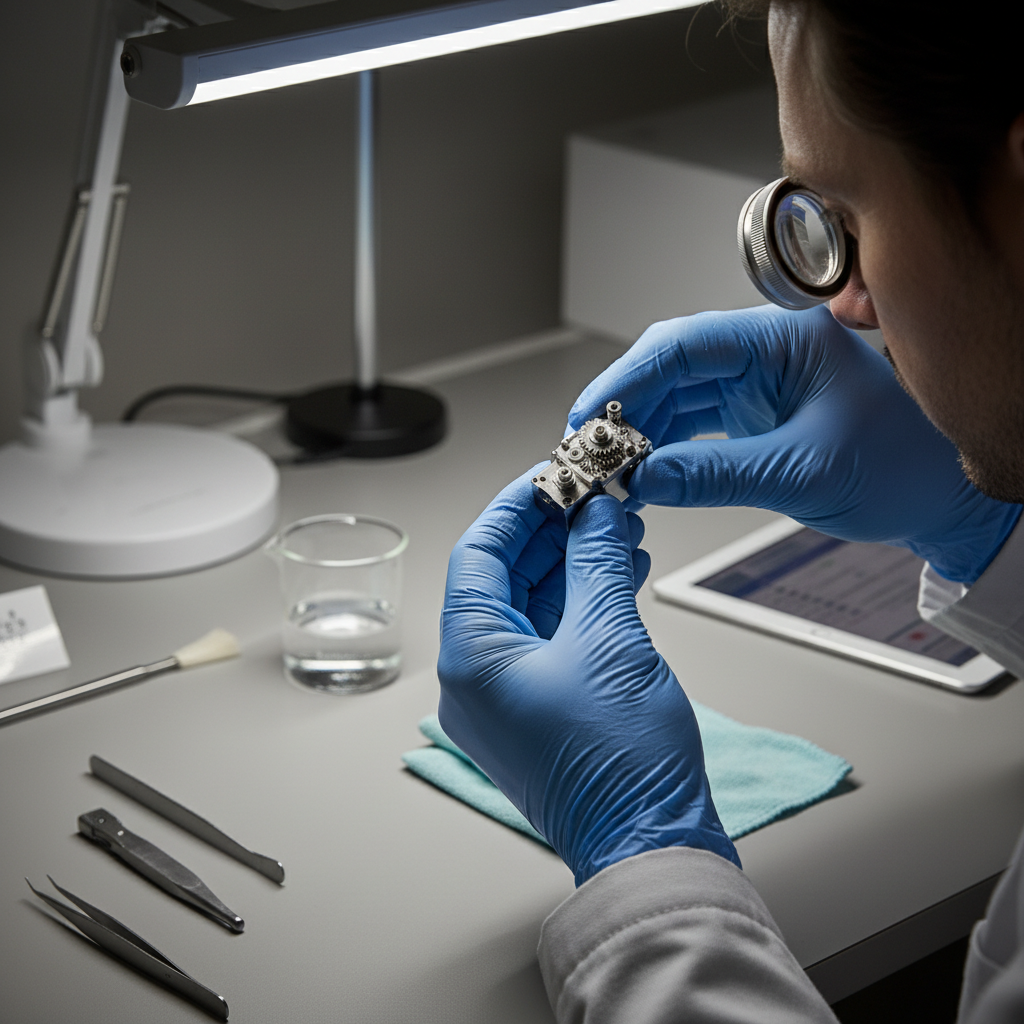
These tests can uncover issues that are not apparent visually, offering a more accurate picture of a coating's health and performance.
Misconception 4: Coating Inspections Are Too Expensive
The perception that coating inspections are prohibitively costly is widespread. However, the cost of inspections is minor compared to the potential expenses of coating failures, such as structural damage or extensive repairs.
- Preventive maintenance reduces long-term costs.
- Early detection of issues extends the coating’s lifespan.
- Inspections provide peace of mind by ensuring compliance with safety standards.
Conclusion
Understanding the real value and necessity of coating inspections is essential for maintaining the integrity of structures and surfaces. By debunking these misconceptions, we hope to emphasize the importance of regular, professional inspections in prolonging the life and effectiveness of protective coatings.