Top 5 Common Coating Inspection Mistakes and How to Avoid Them


Introduction to Coating Inspections
Coating inspections are critical to ensuring the longevity and performance of protective coatings. However, even seasoned professionals can make mistakes that jeopardize the integrity of a project. Understanding these common pitfalls and how to avoid them can save time, money, and effort in the long run.
1. Inadequate Surface Preparation
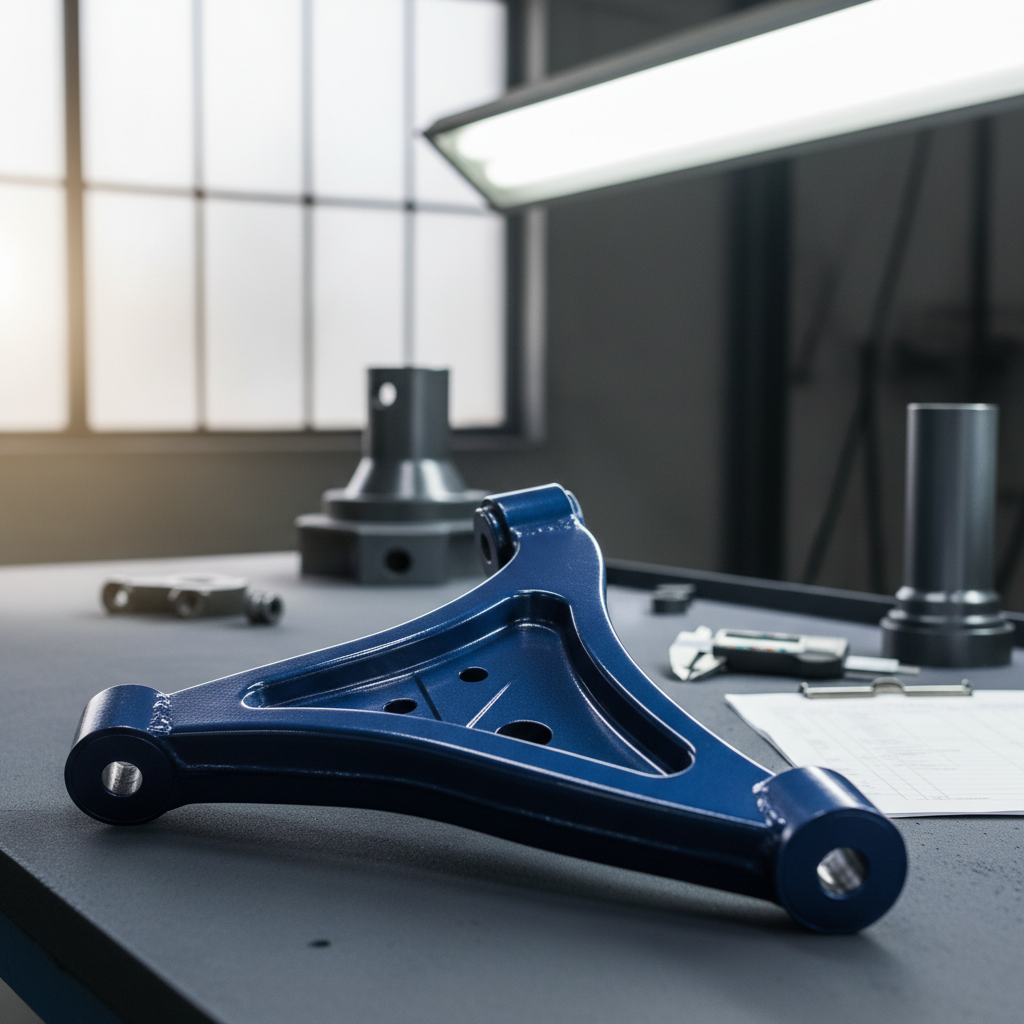
Surface preparation is the foundation of any successful coating application. One of the most frequent mistakes is failing to adequately prepare the surface, which can lead to poor adhesion and premature failure. To avoid this, always follow industry standards and guidelines for surface cleaning and preparation. This includes removing all contaminants, such as rust, oil, and old paint.
2. Incorrect Environmental Conditions
Environmental factors play a significant role in the success of a coating application. Applying coatings in unsuitable conditions, such as high humidity or extreme temperatures, can cause issues like bubbling and cracking. Always monitor the environment and adjust your application process accordingly, using tools like hygrometers and thermometers to ensure optimal conditions.

3. Insufficient Coating Thickness
Another common mistake is applying an insufficient coating thickness. This can compromise the protective properties of the coating, leaving the substrate vulnerable to damage. To prevent this, use a wet film thickness gauge during application to ensure the correct thickness is achieved. Regular checks during the drying process can also help maintain consistency.
4. Ignoring Manufacturer's Instructions
Manufacturers provide specific instructions for a reason. Ignoring these guidelines can result in improper application and reduced coating performance. Always read and follow the technical data sheets provided by the manufacturer, which include crucial information on mixing ratios, application methods, and drying times.
5. Overlooking Health and Safety Protocols
Health and safety are paramount in coating inspections. Neglecting safety protocols not only endangers workers but can also affect the quality of the coating. Ensure that all personnel are equipped with the necessary personal protective equipment (PPE) and are trained in safe handling practices.
Conclusion
Avoiding these common coating inspection mistakes requires diligence, attention to detail, and adherence to industry standards. By taking proactive steps to address these issues, you can ensure a successful coating application that stands the test of time.