The Ultimate Guide to Coating Inspection: Ensuring Quality and Longevity


Introduction to Coating Inspection
Coating inspection is a critical process in ensuring the durability and effectiveness of protective coatings applied to structures and equipment. These coatings are designed to prevent corrosion, increase longevity, and maintain the aesthetic appeal of surfaces. A thorough inspection guarantees that coatings meet industry standards and function as intended.
The inspection process involves a series of evaluations and tests that assess the quality and application of the coating. This guide will explore the essential aspects of coating inspection and offer insights into best practices.
The Importance of Coating Inspection
Proper coating inspection is vital for several reasons. Firstly, it ensures that the coating has been applied correctly and adheres to the required specifications. This is crucial for preventing premature failure and costly repairs. Secondly, routine inspections help in identifying potential issues before they escalate, thus saving time and resources in the long run.
Moreover, coating inspections provide documentation that can be useful for warranty claims and compliance with industry regulations. By maintaining a record of inspections, companies can demonstrate their commitment to quality and safety standards.

Key Components of Coating Inspection
Coating inspection involves several key components that must be considered to ensure a comprehensive evaluation. The process typically includes:
- Surface Preparation: Ensuring the surface is clean and free from contaminants before coating application.
- Environmental Conditions: Monitoring temperature, humidity, and other environmental factors that can affect coating performance.
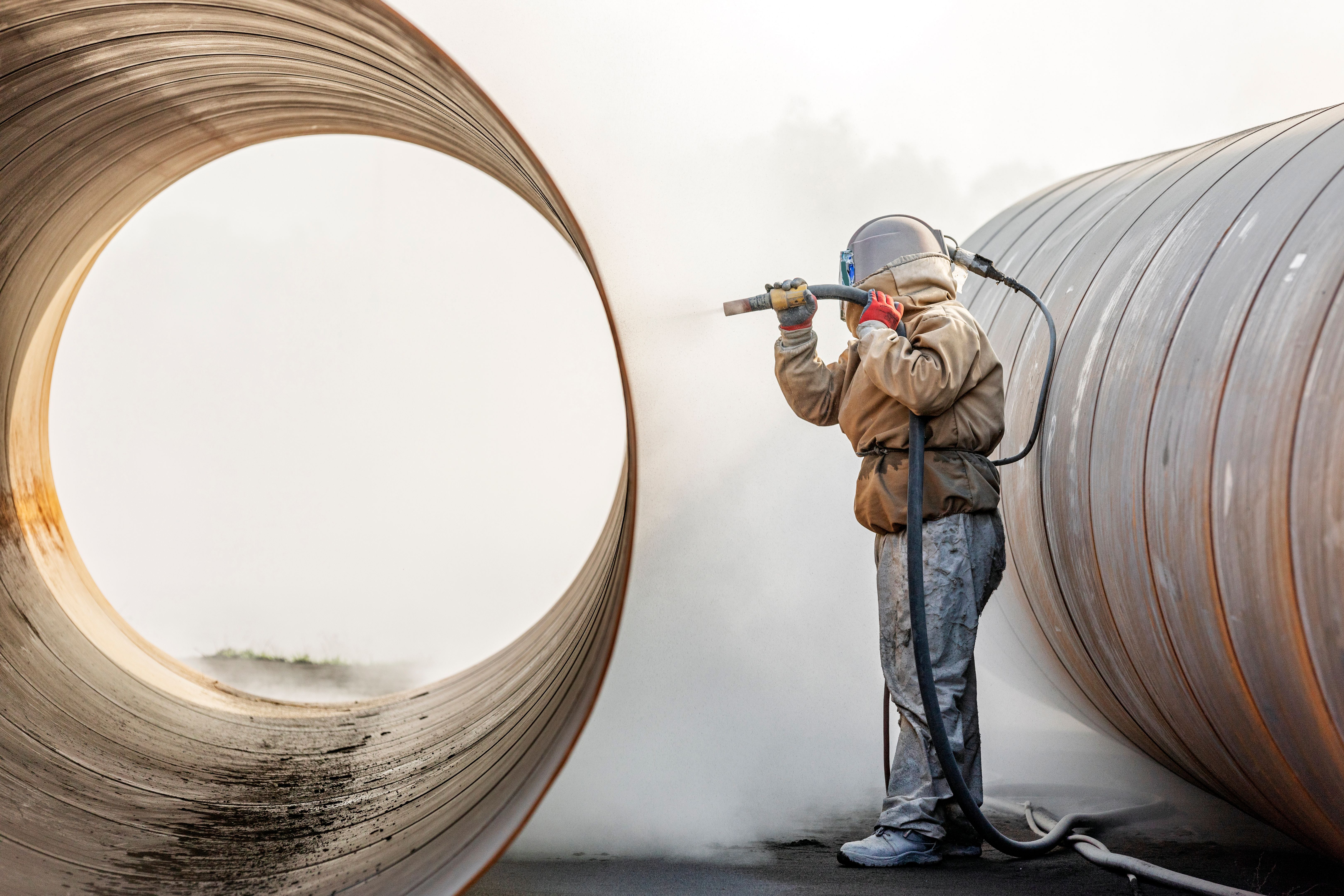
- Coating Application: Assessing the method and consistency of application to ensure uniform coverage.
Each of these components plays a crucial role in the overall quality and longevity of the coating.
Inspection Tools and Techniques
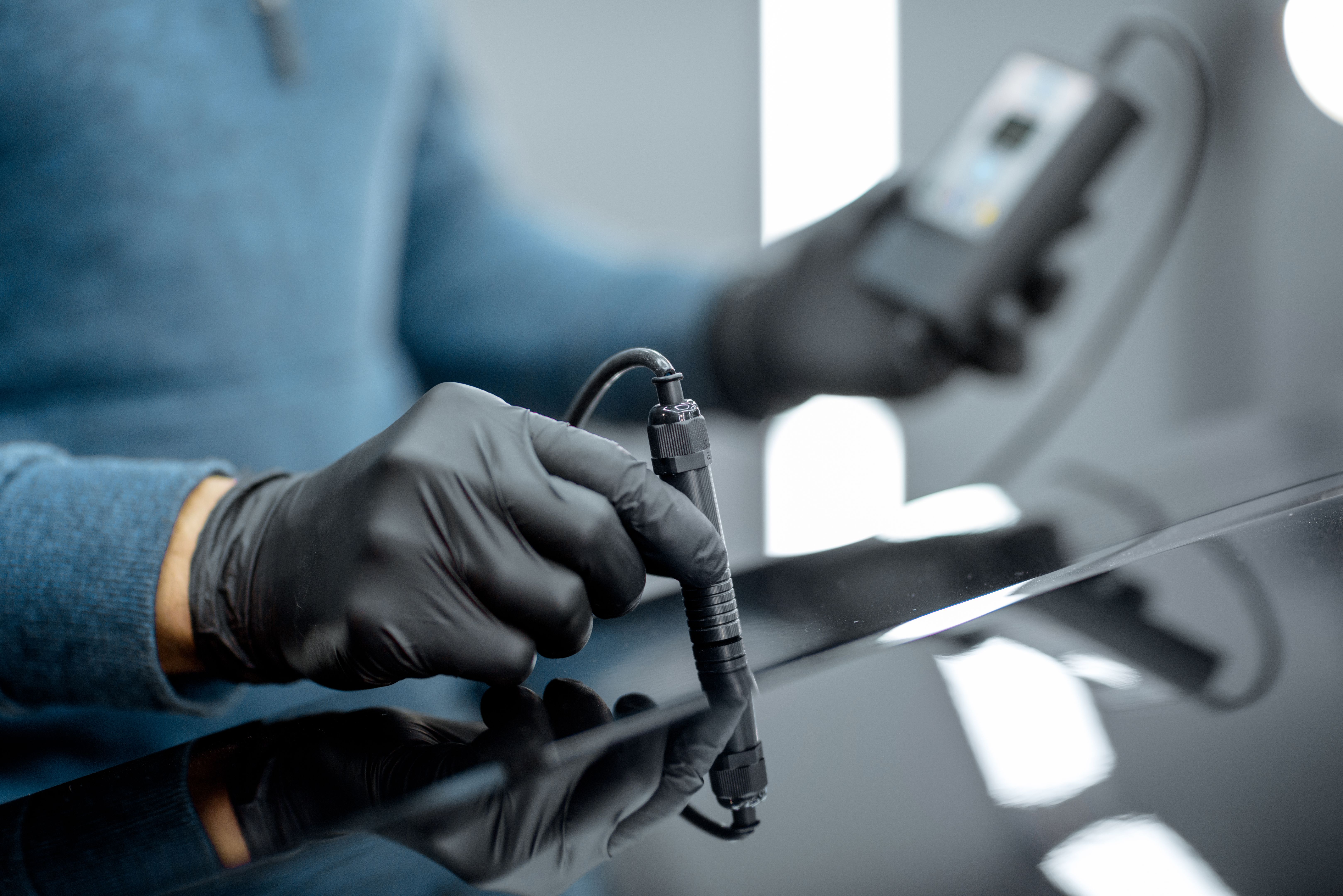
Various tools and techniques are employed during coating inspections to ensure accuracy and reliability. Common tools include thickness gauges, adhesion testers, and holiday detectors. These instruments help inspectors evaluate the coating's physical properties and identify any defects or inconsistencies.
Inspectors also rely on visual inspection techniques to assess the coating's appearance and detect any visible flaws. This combination of tools and techniques provides a comprehensive overview of the coating's condition.

Best Practices for Coating Inspection
Adhering to best practices is essential for conducting effective coating inspections. Some recommended practices include:
- Training and Certification: Ensure that inspectors are properly trained and certified to perform inspections.
- Regular Inspections: Schedule routine inspections to catch issues early and maintain coating performance.
- Clear Documentation: Maintain detailed records of all inspections, findings, and corrective actions.
Implementing these practices can significantly enhance the quality and reliability of coating inspections.
Conclusion
Coating inspection is an essential process for ensuring the quality and longevity of protective coatings. By understanding the key components, utilizing the right tools, and following best practices, companies can protect their investments and maintain high standards of safety and performance. Regular inspections not only prevent costly repairs but also contribute to the overall success and sustainability of projects.