The Ultimate Guide to Coating Inspection: Ensuring Quality and Durability


Understanding Coating Inspection
Coating inspection is a critical process in various industries, including construction, manufacturing, and marine. It involves examining the application of protective coatings to ensure they meet specific standards and provide the desired protection. A thorough inspection can prevent costly repairs and extend the lifespan of structures and equipment.
There are several components to consider during a coating inspection, such as surface preparation, application methods, and environmental conditions. Each of these factors plays a vital role in the overall effectiveness and durability of the coating.
The Importance of Surface Preparation
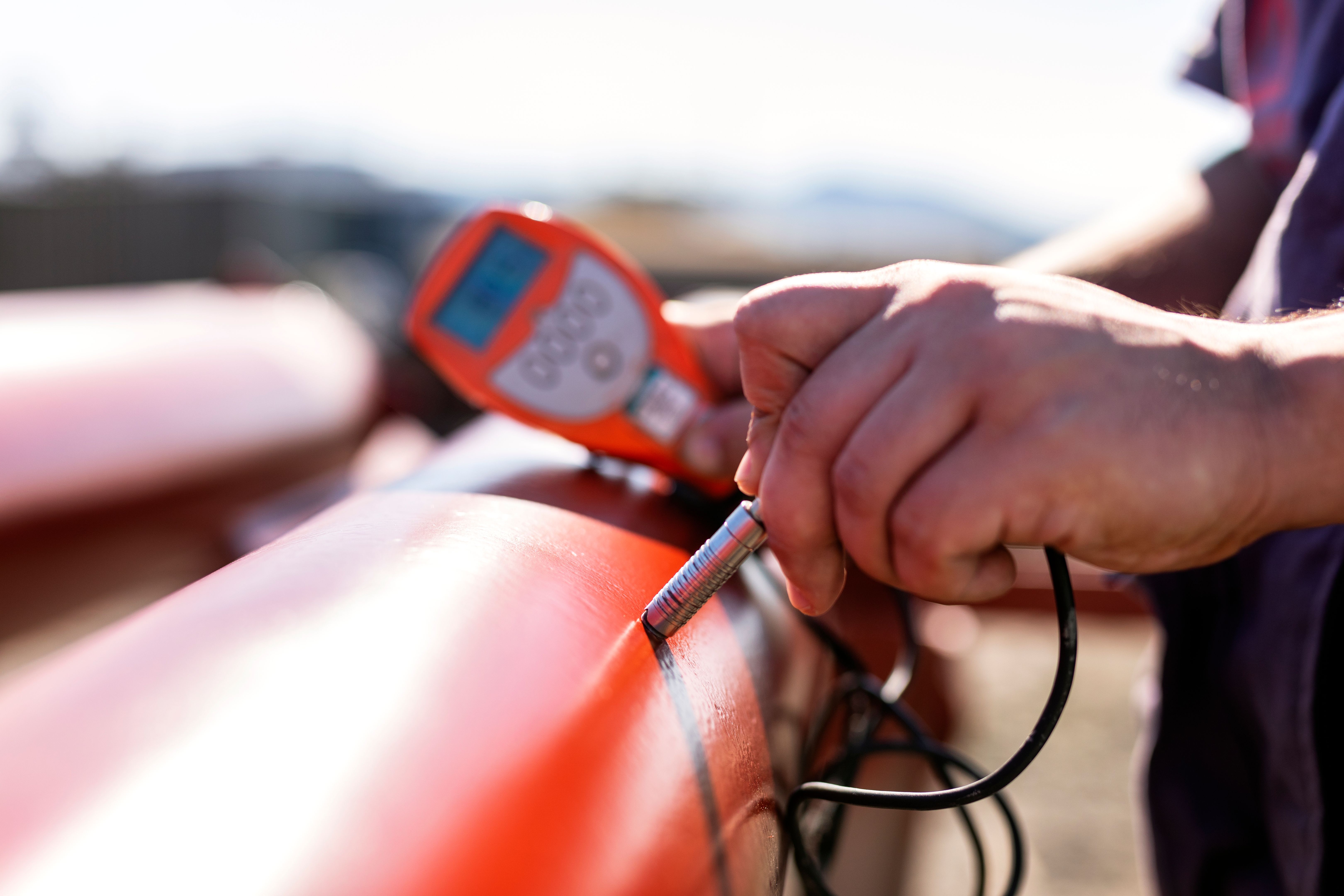
Proper surface preparation is the foundation of a successful coating application. It involves cleaning the surface to remove contaminants like rust, oil, and dirt. This step is crucial because even the best coating can fail if applied over an inadequately prepared surface.
Inspectors use various techniques to assess surface preparation, including visual inspection, surface profile measurement, and cleanliness tests. These methods ensure that the surface is ready for coating and that the adhesion will be optimal.
Methods of Surface Preparation
Common methods include abrasive blasting, chemical cleaning, and power tool cleaning. Each method has its advantages and is chosen based on the specific requirements of the project.

Application Methods and Their Impact
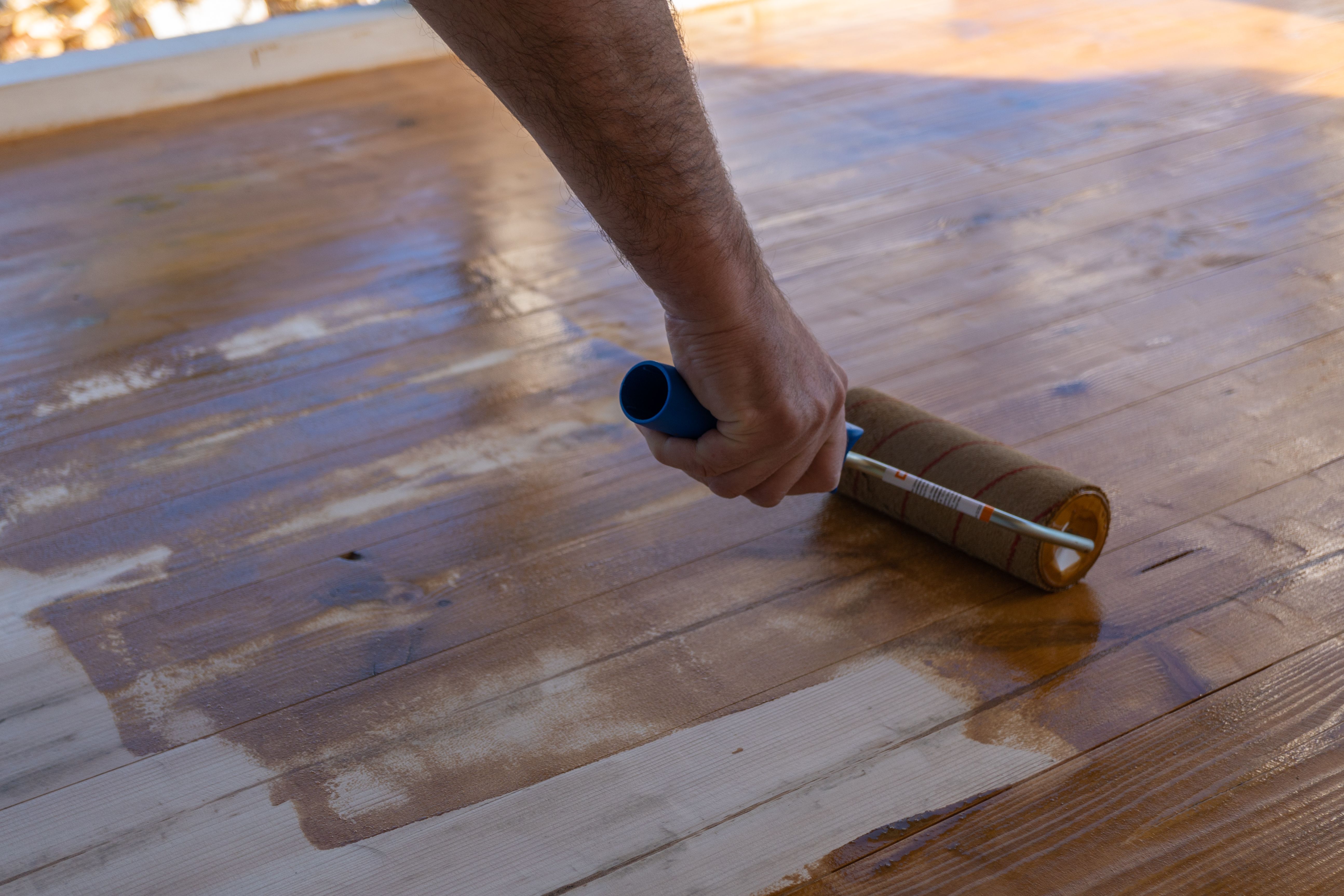
The method of application significantly impacts the coating's performance. Techniques such as spraying, brushing, and rolling each have unique benefits and challenges. Inspectors must ensure that the chosen method is suitable for the project and executed correctly.
Factors like coating thickness and uniformity are evaluated during inspection. Proper application ensures that the coating provides adequate protection and meets the specified performance criteria.
Common Application Challenges
Challenges such as incorrect film thickness, improper mixing, and environmental conditions can lead to coating failures. Inspectors look for signs of these issues to ensure quality and durability.
Environmental Conditions: A Crucial Factor
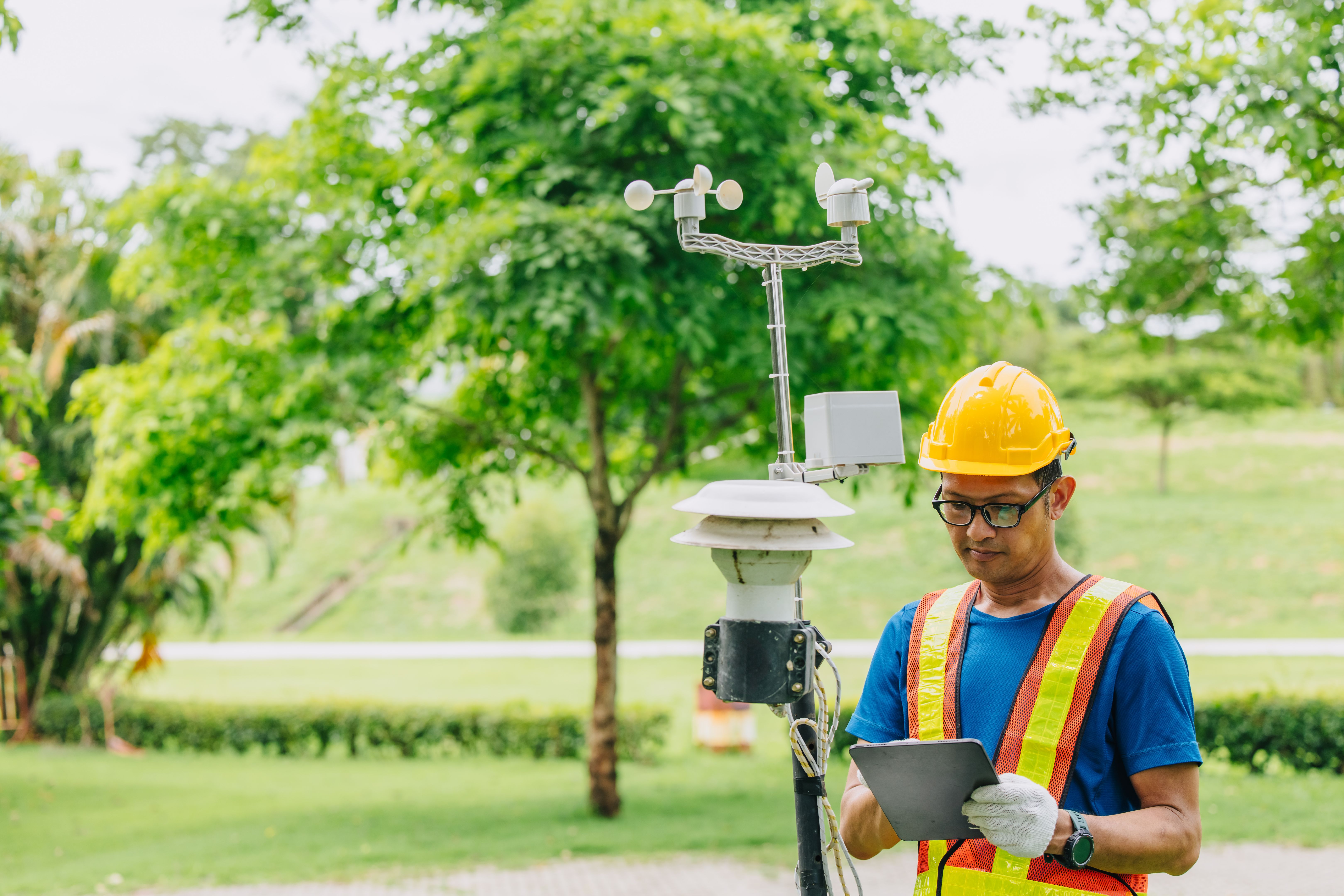
Environmental conditions during application and curing can affect the coating's performance. Factors such as temperature, humidity, and wind need to be controlled and monitored.
Inspectors often use specialized equipment to measure these conditions and ensure they are within the acceptable range for the specific coating system being used.
Monitoring and Adjusting Conditions
By monitoring environmental conditions, inspectors can advise on necessary adjustments to maintain optimal application conditions, helping prevent defects and ensuring long-term durability.
Tools and Techniques for Effective Inspection
A variety of tools and techniques are employed in coating inspections. These include visual inspections, thickness gauges, adhesion tests, and holiday detectors, among others.
Using the right tools helps inspectors identify potential issues early, allowing for corrective measures to be taken before the coating is compromised.
Adopting Advanced Technologies
Innovations such as drones and digital imaging are becoming increasingly popular, providing more detailed and comprehensive inspections. These technologies enhance accuracy and efficiency in the inspection process.