The Ultimate Guide to Coating Inspection: Ensuring Quality and Durability


Understanding Coating Inspection
Coating inspection is a critical process in industries where surfaces are exposed to harsh environments. It ensures that protective coatings are applied correctly and are capable of providing the necessary protection against corrosion, wear, and other forms of degradation. The ultimate goal is to guarantee the **quality and durability** of the coating.
Proper inspection involves a series of steps and techniques designed to evaluate the coating's integrity. A comprehensive inspection can prevent costly repairs and extend the lifespan of the asset.
Key Steps in Coating Inspection
The coating inspection process generally involves several key steps:
- Surface Preparation Inspection: Ensuring the surface is clean, dry, and properly prepared before coating application.
- Coating Application Monitoring: Verifying that the coating is applied according to specifications.
- Post-Application Inspection: Evaluating the coating's appearance and thickness, among other parameters.
Each of these steps requires specialized tools and techniques to achieve accurate results.
Tools and Techniques
Various tools are employed during coating inspections, such as:
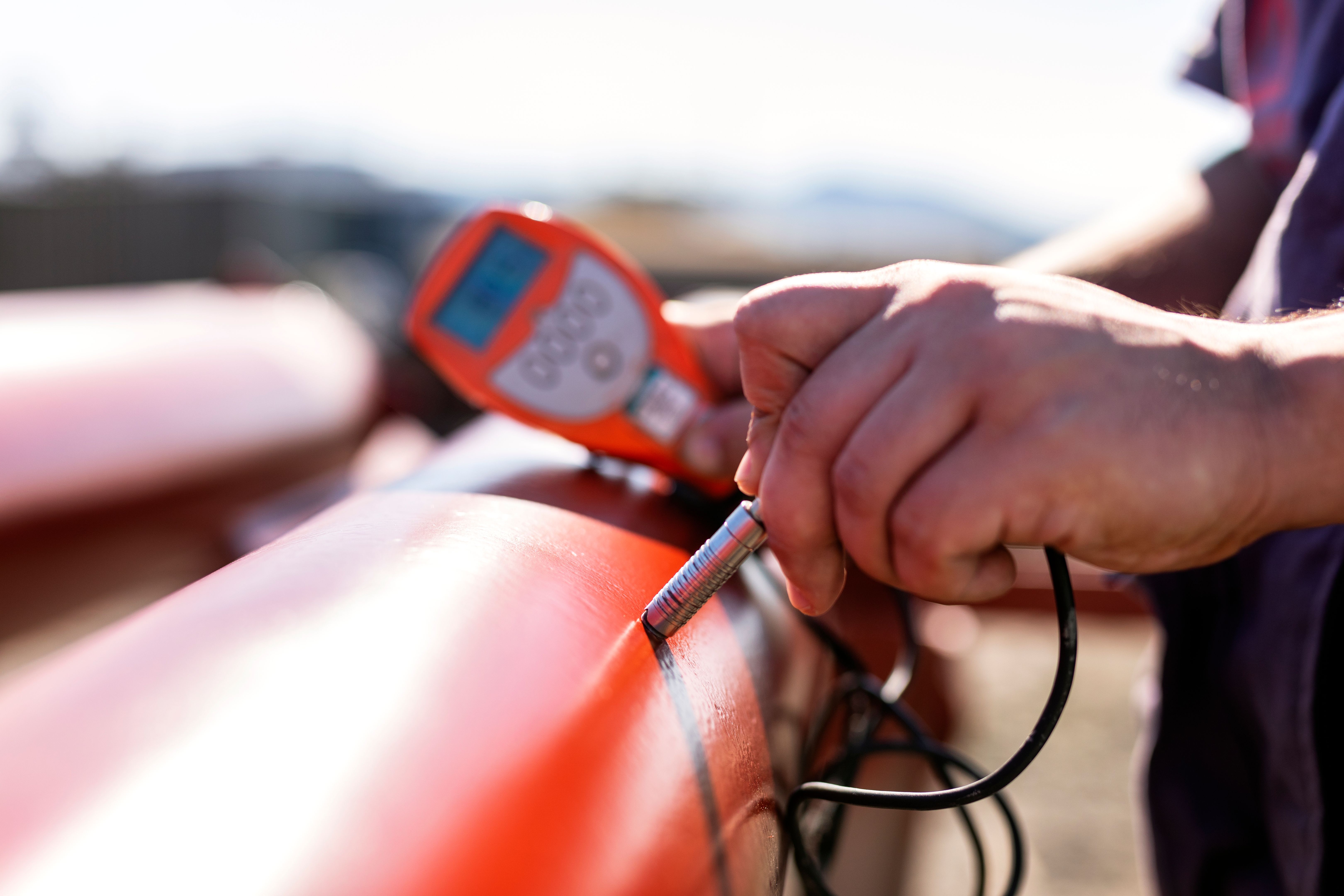
- Dry Film Thickness Gauges: Essential for measuring the thickness of the coating.
- Adhesion Testers: Used to assess the adhesion strength of the coating to the substrate.
- Visual Inspection Tools: Including magnifiers and mirrors to closely examine the coating.

The Role of Standards and Certifications
Adhering to established standards is crucial in coating inspection. Standards from organizations such as ISO, ASTM, and NACE provide guidelines that help ensure consistency and reliability in the inspection process. **Certifications** for inspectors, such as NACE Coating Inspector Program (CIP), ensure that professionals are knowledgeable and skilled in the field.
These standards and certifications play a pivotal role in maintaining uniformity across industries and ensuring the highest quality outcomes.

Challenges in Coating Inspection
Despite its importance, coating inspection faces several challenges. Environmental conditions, such as humidity and temperature, can impact the inspection results. Furthermore, complex geometries and inaccessible areas can pose difficulties in achieving thorough inspections.
Addressing these challenges requires a combination of advanced technology and skilled inspectors who can adapt to the conditions and provide accurate assessments.
Conclusion
Coating inspection is an indispensable aspect of maintaining the longevity and performance of coated surfaces. By following a structured inspection process and utilizing the right tools and standards, industries can ensure that their coatings provide the necessary protection and durability.
Investing in coating inspection not only safeguards assets but also contributes to operational efficiency and cost savings over time. Implementing these practices will undoubtedly lead to more reliable and durable outcomes.