The Role of Coating Inspections in Building Maintenance and Longevity


Understanding the Importance of Coating Inspections
Coating inspections are a critical aspect of building maintenance, ensuring the longevity and durability of structures. They involve assessing the protective layers applied to surfaces, which guard against environmental damage and wear. By conducting regular inspections, building owners can maintain these protective barriers, ultimately extending the life of the structure.
Coatings serve as the first line of defense against various elements, including moisture, chemicals, and UV radiation. Therefore, their proper maintenance is crucial. A well-maintained coating can significantly reduce repair costs and prevent structural damage.
The Process of Coating Inspections
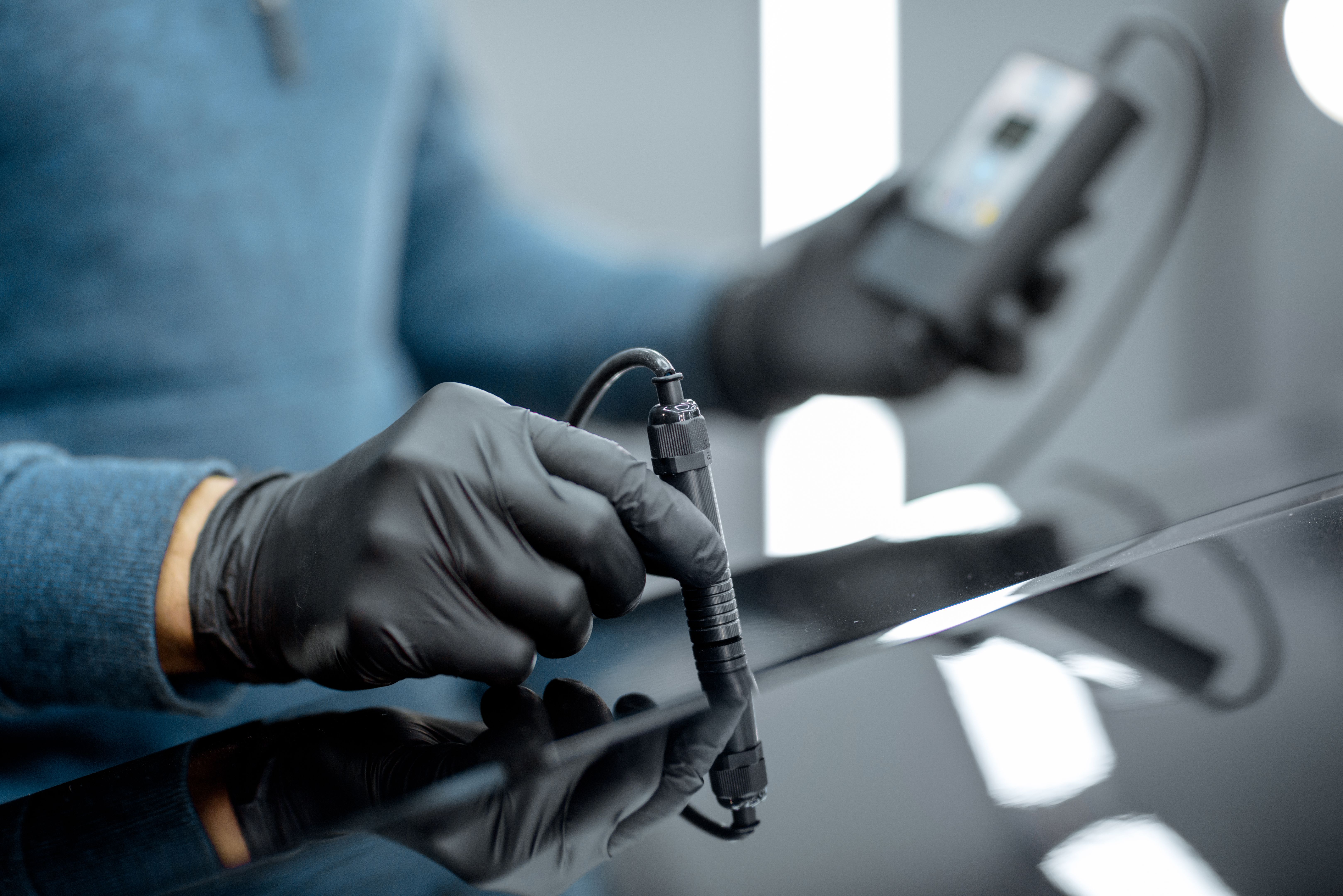
The process of coating inspections typically involves several steps to ensure thorough evaluation. Inspectors look for signs of wear, such as cracks, blisters, or peeling. These indicators can suggest underlying issues that may require attention. A comprehensive inspection often includes:
- Visual examination
- Thickness measurement
- Adhesion testing
- Environmental condition assessment
Each of these steps helps in identifying potential problems and determining the necessary corrective actions to maintain the integrity of the coating.
Benefits of Regular Coating Inspections
Regular coating inspections offer numerous benefits. They not only help in detecting early signs of deterioration but also play a vital role in planning maintenance activities. This proactive approach can prevent costly repairs and downtime.
Moreover, by addressing minor issues before they escalate, building owners can significantly enhance the lifespan of their structures. This contributes to sustainability by reducing the need for new materials and resources.
Key Considerations for Effective Inspections
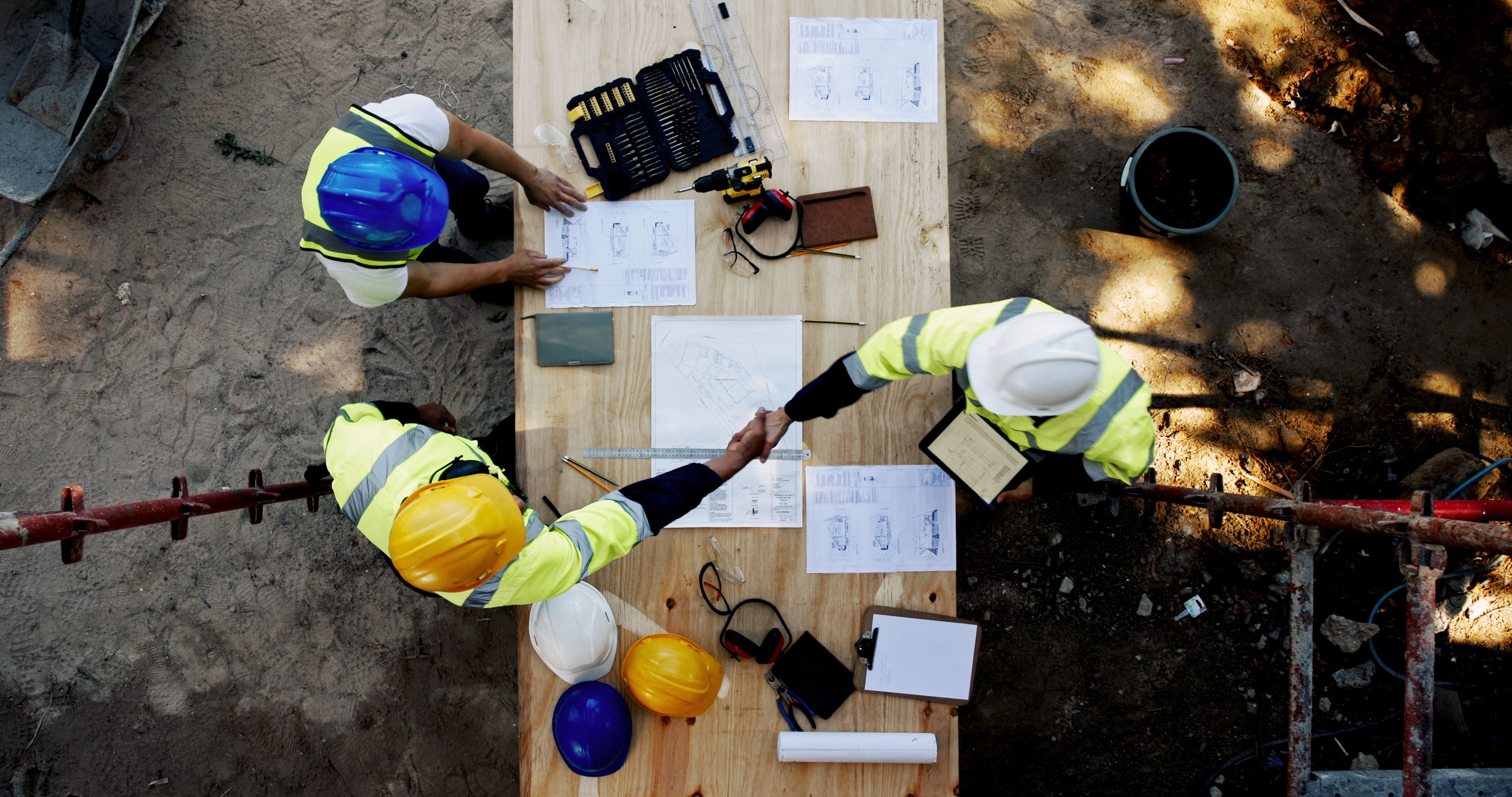
Effective coating inspections require a detailed understanding of the materials and conditions involved. Inspectors must be trained and experienced, as the accuracy of their assessments impacts the longevity and safety of the building.
Using advanced tools and technologies can also enhance the effectiveness of inspections. Digital imaging, for example, allows for precise documentation and analysis, providing valuable insights for maintenance planning.

Conclusion: Investing in Building Longevity
In conclusion, coating inspections are an essential component of building maintenance strategies. They ensure that protective coatings remain effective, safeguarding structures from environmental and mechanical stress. By investing in regular inspections, building owners can not only save on repair costs but also contribute to the sustainability and longevity of their properties.
Ultimately, this proactive approach fosters a culture of preservation and efficiency, ensuring that buildings remain safe and functional for years to come.