Seasonal Coating Inspection Checklist for Optimal Protection


As the seasons change, it's essential to ensure that your coatings are in optimal condition to protect your surfaces. Regular inspections can help identify issues early and prevent costly repairs. This checklist will guide you through the necessary steps for a comprehensive seasonal coating inspection.
Understanding the Importance of Seasonal Inspections
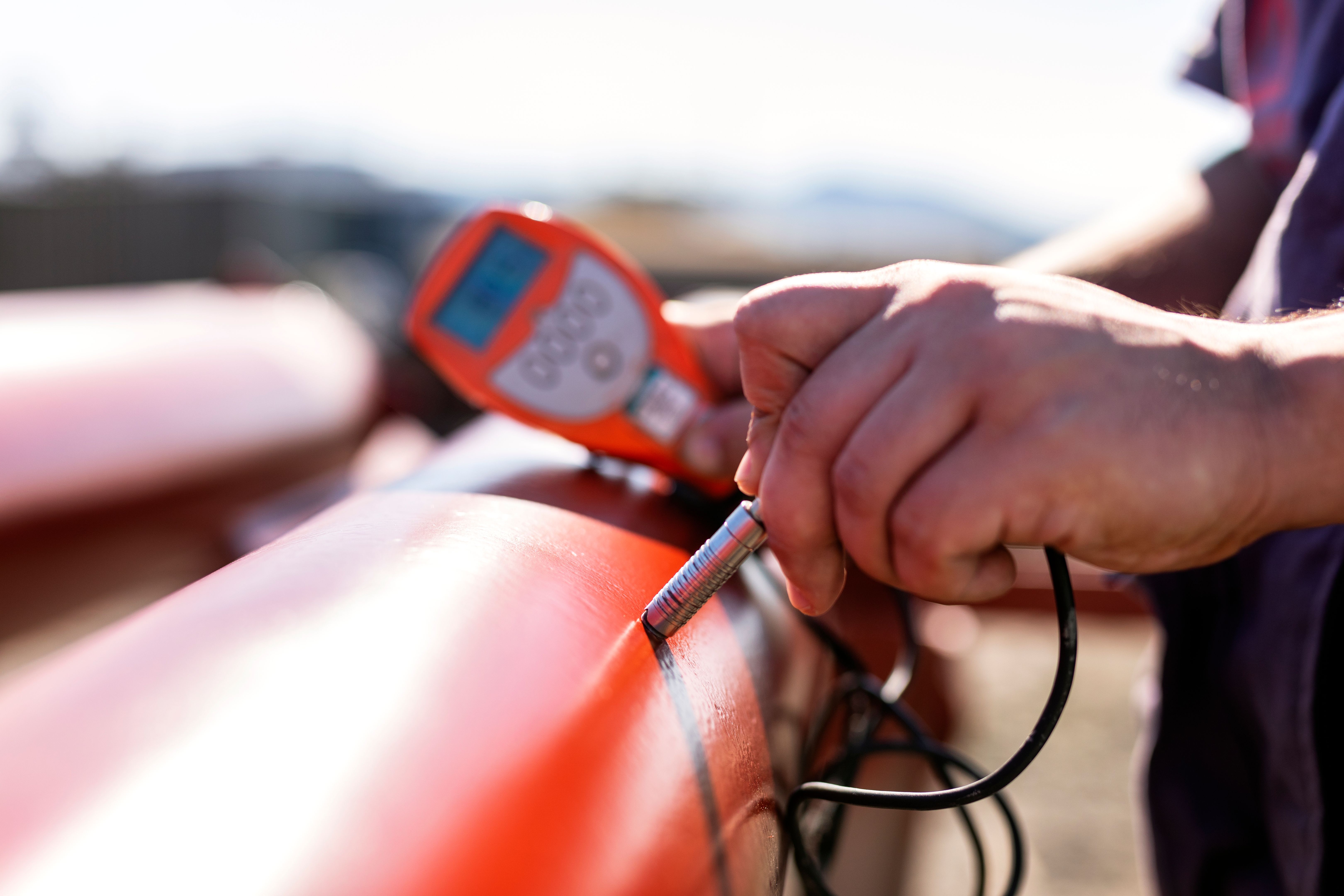
Coatings serve as a protective barrier against environmental elements. Over time, exposure to weather conditions can deteriorate these coatings, reducing their effectiveness. Conducting regular inspections helps maintain their protective qualities, ensuring longevity and functionality.
Benefits of Regular Inspections
By inspecting your coatings seasonally, you can:
- Detect damage early: Identify cracks, peeling, or other signs of wear before they escalate.
- Prevent costly repairs: Addressing minor issues promptly can save you from expensive fixes later.
- Enhance longevity: Regular maintenance can significantly extend the life of your coatings.
Preparing for Your Inspection
Before beginning your inspection, gather the necessary tools and materials. This might include a flashlight, magnifying glass, moisture meter, and a camera for documentation. Proper preparation ensures a thorough and efficient inspection process.
Inspection Tools and Materials
Having the right tools on hand is crucial for a successful inspection. Consider including:
- Flashlight: To illuminate dark or shaded areas.
- Magnifying glass: For closely examining small or intricate areas.
- Moisture meter: To check for underlying moisture issues.
- Camera: For documenting findings and tracking changes over time.

Key Areas to Inspect
During your inspection, focus on high-risk areas that are more susceptible to damage. These typically include edges, joints, and areas with previous repairs. Pay special attention to any visible signs of wear or damage.
Signs of Wear and Damage
Look for the following indicators that your coating may need attention:
- Cracking or peeling: This suggests that the coating is losing its adhesion.
- Discoloration: Fading or color changes can indicate UV damage or chemical exposure.
- Bubbling or blistering: Often a result of trapped moisture or improper application.
Documenting Your Findings
Keep a detailed record of your inspection findings. Document any areas of concern with photographs and notes, which will aid in future inspections and maintenance planning. A clear record helps track the progress of repairs and the effectiveness of your coatings over time.
Creating an Action Plan
Based on your findings, develop a maintenance or repair plan. Prioritize areas that need immediate attention and schedule regular follow-ups to ensure continued protection. An actionable plan ensures that your surfaces remain protected throughout the year.