Myths About Coating Inspection: Debunking Common Misconceptions


Understanding Coating Inspection
Coating inspection is a critical process in various industries to ensure that protective coatings are applied correctly and will perform as intended. Despite its importance, several myths surround coating inspection, leading to misunderstandings and potential errors. In this post, we will debunk some of these common misconceptions.
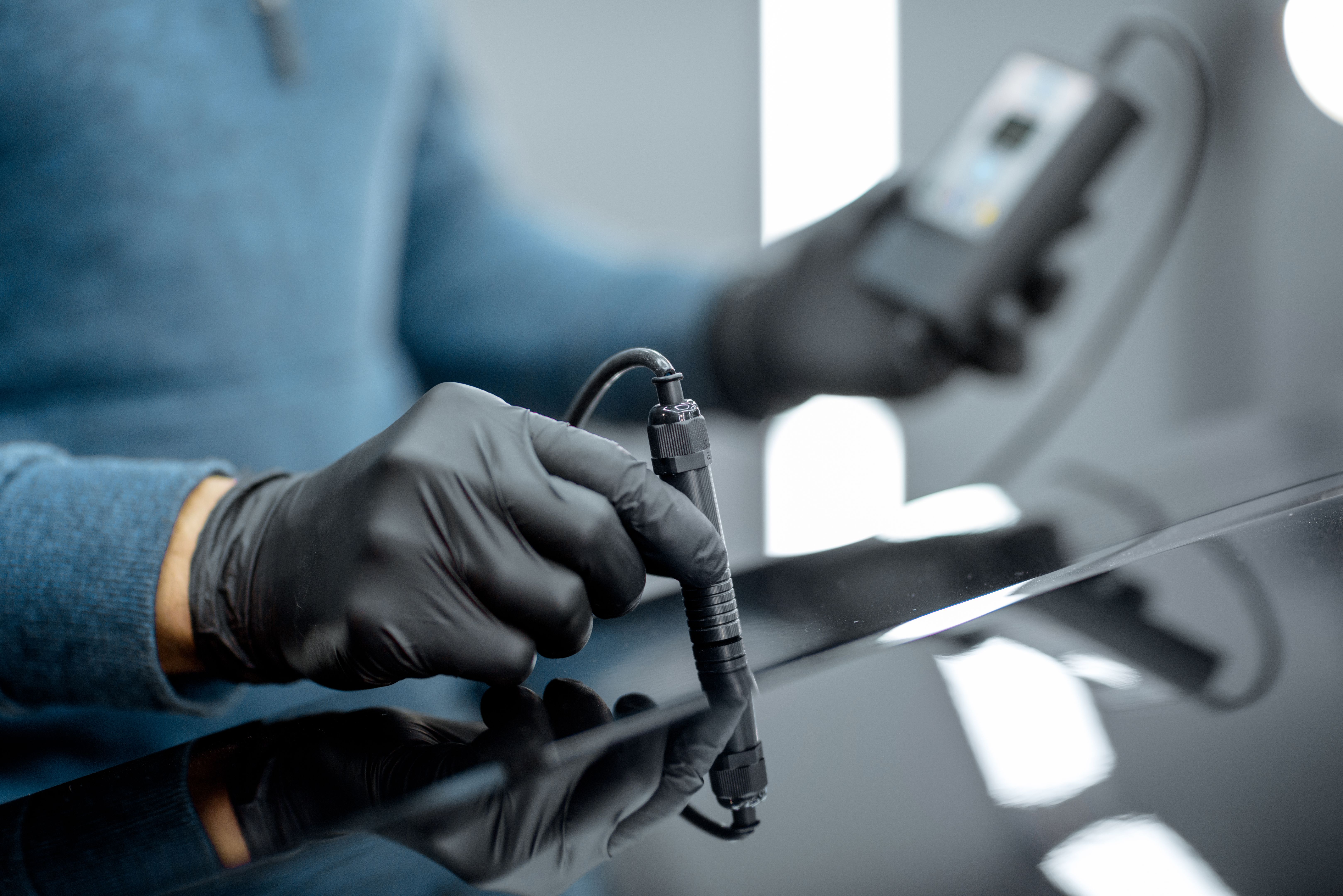
Myth 1: Coating Inspection Is Only Necessary for New Projects
One prevalent myth is that coating inspection is only required for new projects. In reality, regular inspections are essential for both new and existing structures. Over time, coatings can degrade due to environmental exposure, leading to corrosion and structural damage. Routine inspections help identify issues early, allowing for timely maintenance and repair.
Whether it's a newly constructed bridge or an aging industrial facility, ongoing inspections ensure long-term protection and performance. Ignoring this can result in costly repairs and safety hazards.
Myth 2: Visual Inspection Is Sufficient
While visual inspection is a valuable tool, it is not sufficient on its own. Effective coating inspection often requires a combination of techniques, including non-destructive testing methods like ultrasonic thickness measurements and adhesion tests. These methods provide a deeper understanding of the coating's integrity and performance.

Visual inspection can only reveal surface-level issues, whereas non-destructive testing can uncover hidden problems that may not be visible to the naked eye. Therefore, relying solely on visual checks can lead to oversight of critical flaws.
Myth 3: All Coatings Are the Same
Another misconception is that all coatings perform similarly, so the inspection process is uniform across different types. In truth, coatings vary widely in composition and function. For example, marine coatings differ significantly from those used in the oil and gas industry.
Each type of coating requires specific inspection criteria and techniques to ensure it meets the intended performance standards. Understanding these differences is crucial for accurate assessments.

Myth 4: Coating Inspection Is an Unnecessary Expense
Some view coating inspection as an avoidable cost, but this perspective overlooks the potential financial and safety implications of inadequate inspections. Proper coating inspection can prevent expensive repairs and extend the lifespan of assets.
- Prevents premature coating failures
- Ensures compliance with industry standards
- Identifies potential safety risks
Investing in thorough inspections can lead to significant savings in the long run by mitigating the risks of structural damage and loss.
Myth 5: Only Experts Can Understand Inspection Reports
While technical expertise is required to conduct inspections, understanding the reports is not exclusive to experts. Inspection reports are designed to be accessible, providing clear and concise information about the condition of the coating and any recommended actions.

Stakeholders, including project managers and maintenance teams, can use these reports to make informed decisions about maintenance and repairs. Encouraging a collaborative approach ensures that all parties are aware of the coating's performance and needs.
In conclusion, dispelling these myths is crucial for enhancing the effectiveness of coating inspection processes. By understanding the true value and necessity of comprehensive inspections, industries can better protect their assets and ensure safety and compliance.