Frequently Asked Questions About Coating Inspections


What is a Coating Inspection?
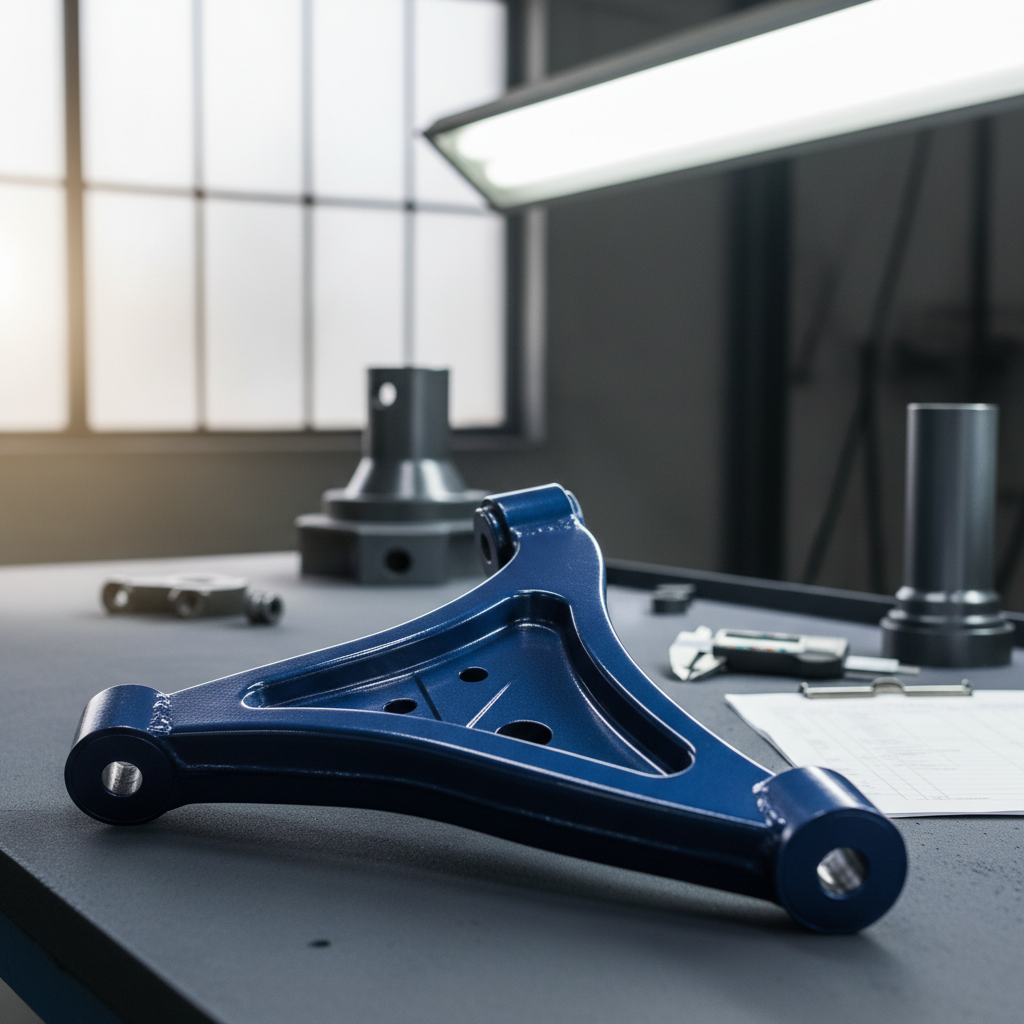
Coating inspections are essential evaluations conducted to ensure the quality and durability of protective coatings applied to various surfaces. These inspections help identify potential issues early, reducing the risk of costly repairs and ensuring that the coating performs its intended function effectively. Professionals in this field utilize various tools and techniques to assess the coating's condition, thickness, and adherence.
Why Are Coating Inspections Important?
Coating inspections are crucial for maintaining the integrity of structures, whether they are industrial machinery, bridges, or pipelines. Regular inspections help in extending the lifespan of the coating by identifying areas where maintenance is required. This proactive approach helps prevent corrosion, which can lead to structural damage and increased maintenance costs.
When Should Coating Inspections Be Conducted?
The timing of coating inspections depends on several factors, including the type of coating, environmental conditions, and the structure's usage. Generally, inspections occur at different stages of the coating's lifecycle:
- Pre-Application: To ensure surface preparation meets standards.
- During Application: To verify proper application techniques.
- Post-Application: To confirm the coating has been applied correctly.
- Routine Maintenance: Scheduled inspections to monitor the coating's condition over time.
What Tools Are Used in Coating Inspections?
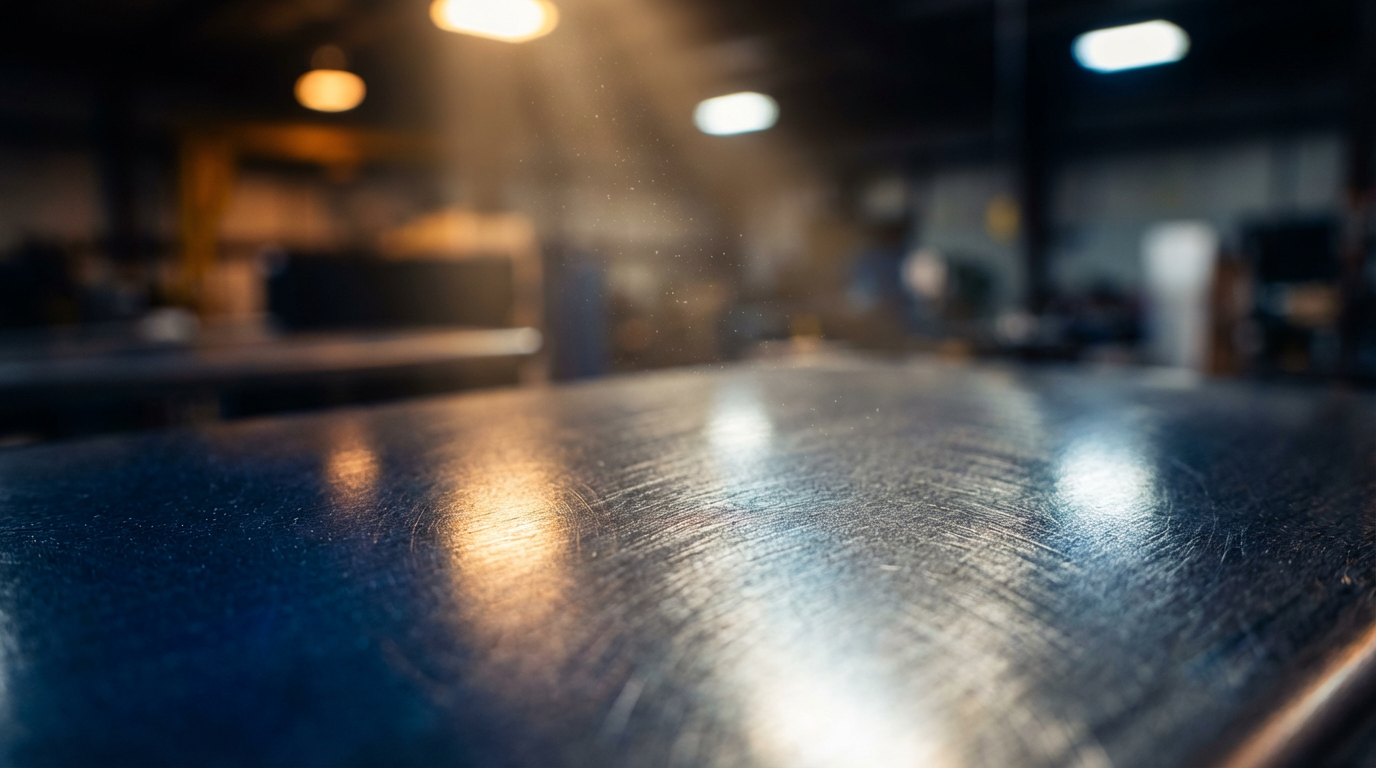
Inspectors use a variety of tools to assess coatings effectively. Common tools include:
- Thickness Gauges: To measure the coating's thickness.
- Adhesion Testers: To evaluate how well the coating adheres to the surface.
- Environmental Meters: To measure temperature and humidity, which can affect coating application and curing.
Who Can Perform Coating Inspections?
Coating inspections should be carried out by trained professionals who understand industry standards and have experience with various coatings and substrates. These inspectors often hold certifications from recognized bodies, ensuring they possess the necessary skills to perform thorough inspections.
How Can You Prepare for a Coating Inspection?
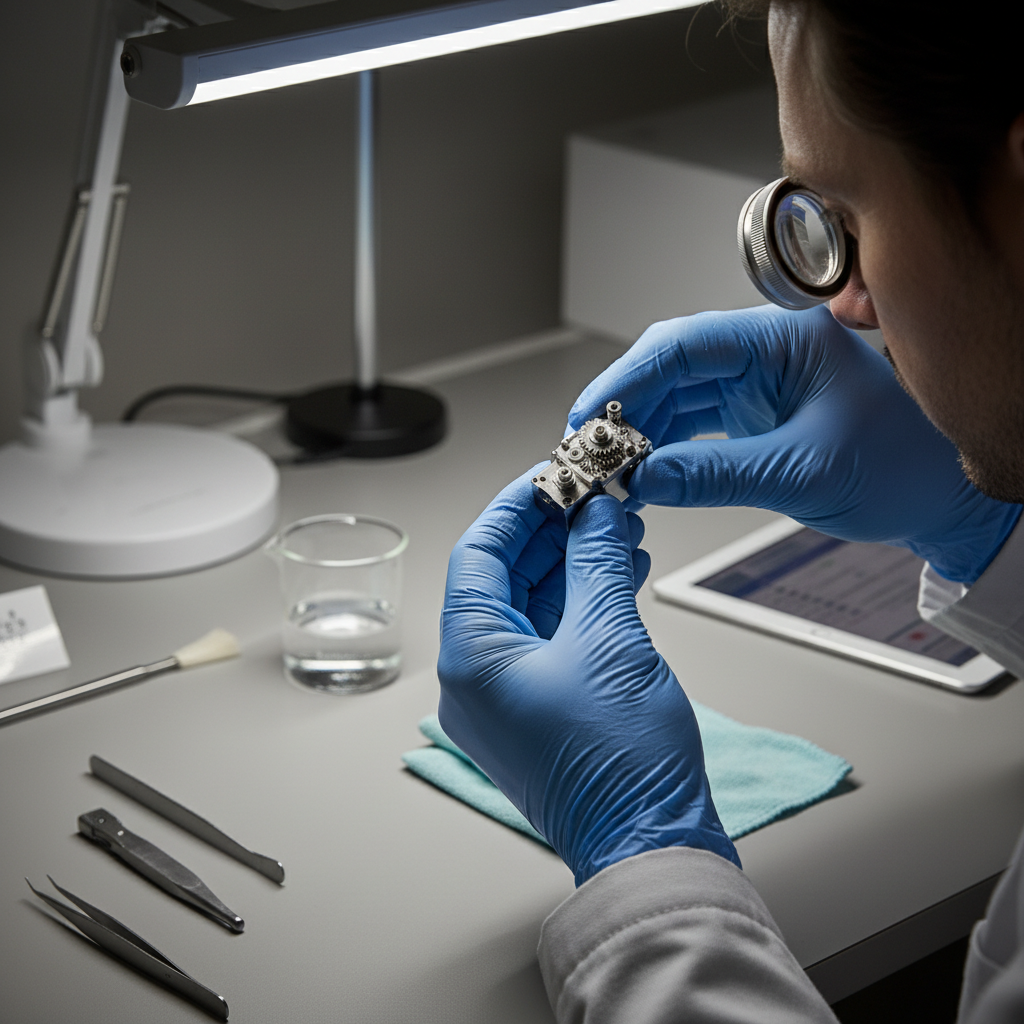
Proper preparation is crucial for a successful coating inspection. Ensure that all relevant documentation, such as application records and previous inspection reports, is available. Additionally, make sure that the area is accessible and that any necessary safety measures are in place. Preparing ahead of time can streamline the inspection process and help avoid delays.
Conclusion
Coating inspections play a vital role in maintaining the longevity and performance of protective coatings. By understanding when and how these inspections should be conducted, and by utilizing the right tools and trained professionals, you can ensure that your coatings are in optimal condition. This proactive approach not only saves money but also protects the underlying structures from potential damage.