FAQs on Coating Inspections: What Every Property Owner Should Know


Understanding Coating Inspections
Coating inspections are crucial for maintaining the longevity and safety of your property. These inspections ensure that protective coatings on various surfaces are applied correctly and remain effective over time. Whether you're dealing with metal, concrete, or wood surfaces, regular inspections can help prevent costly repairs down the line.
Why Are Coating Inspections Important?
Coatings serve as a protective barrier against environmental factors such as moisture, UV rays, and chemical exposure. Without proper inspections, these coatings can deteriorate, leading to potential damage to the underlying surfaces. Regular inspections help in identifying issues early, ensuring the coating's integrity and performance.
Benefits of Regular Inspections
Some benefits of regular coating inspections include:
- Extended lifespan of the coated surface
- Early detection of potential failures
- Cost savings on repairs and maintenance

What Does a Coating Inspection Involve?
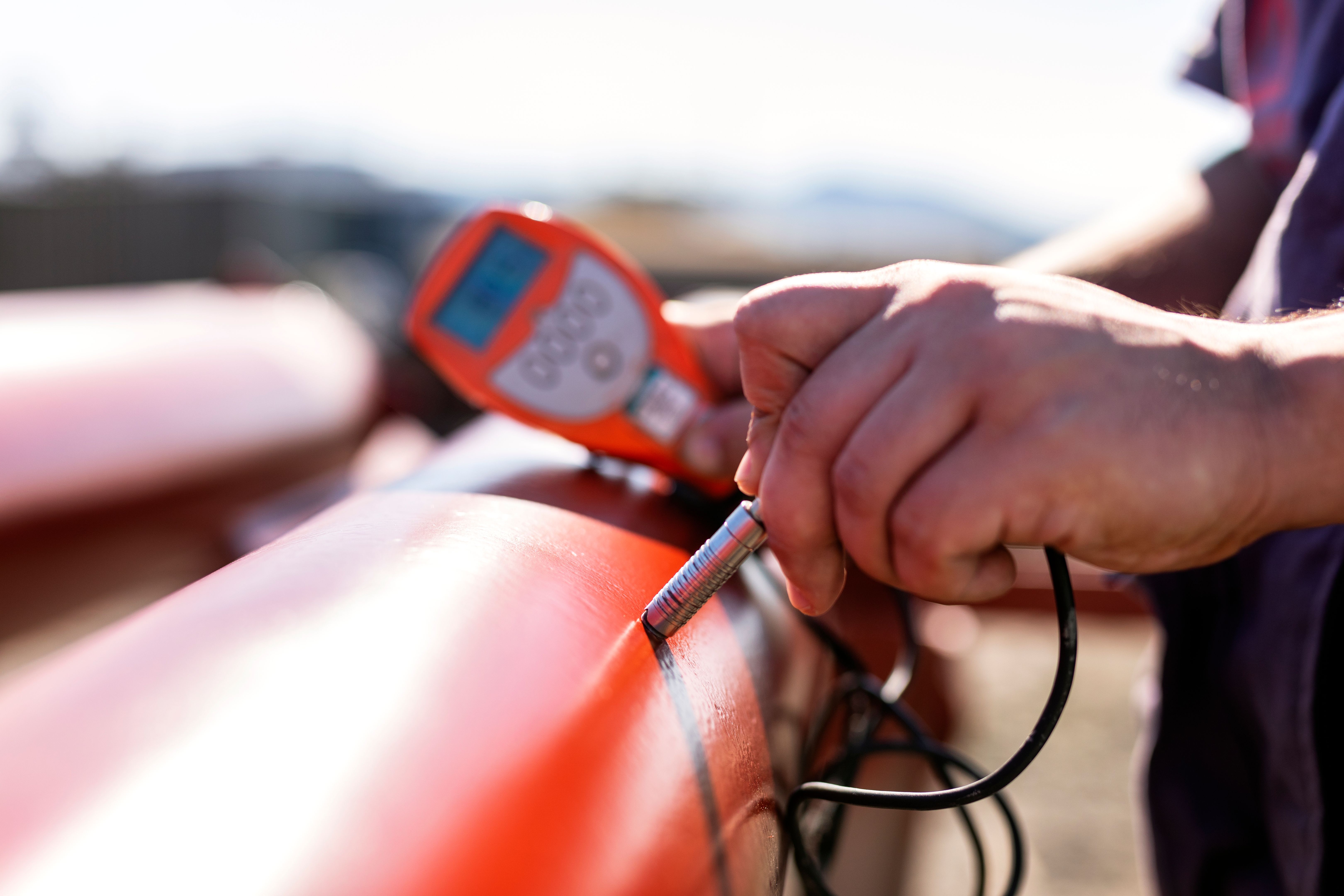
A professional coating inspection typically involves a thorough visual examination followed by various tests to assess the coating's thickness, adhesion, and overall condition. Inspectors may use specialized tools to measure these parameters accurately.
Key Tests Conducted
During an inspection, you might encounter some common tests:
- Adhesion testing: Ensures the coating is properly bonded to the surface.
- Thickness measurement: Confirms that the correct amount of coating has been applied.
- Visual inspection: Identifies visible flaws such as cracks or blisters.

How Often Should Inspections Be Conducted?
The frequency of inspections depends on several factors, including the type of coating, environmental conditions, and the specific requirements of your property. Generally, annual inspections are recommended, but high-risk environments may require more frequent checks.
Factors Influencing Inspection Frequency
Consider the following factors when determining inspection intervals:
- Environmental exposure (e.g., coastal areas)
- Type of coating used
- Age of the coating

Choosing a Qualified Inspector
It's essential to select a qualified coating inspector to ensure accurate and reliable assessments. Look for professionals with certifications from recognized bodies and a proven track record in the industry. A knowledgeable inspector will provide valuable insights and recommendations.
By understanding the importance of coating inspections and what they entail, property owners can take proactive steps to protect their investments. Regular inspections not only maintain the aesthetic appeal of a property but also ensure its structural integrity for years to come.