Exploring the Latest Trends in Coating Inspection Technology


Introduction to Coating Inspection Technology
The field of coating inspection technology is rapidly evolving, driven by advancements in digital tools and techniques. These developments are crucial in ensuring that coatings perform their protective functions effectively, whether in construction, automotive, or industrial applications.
Enhanced Digital Inspection Tools
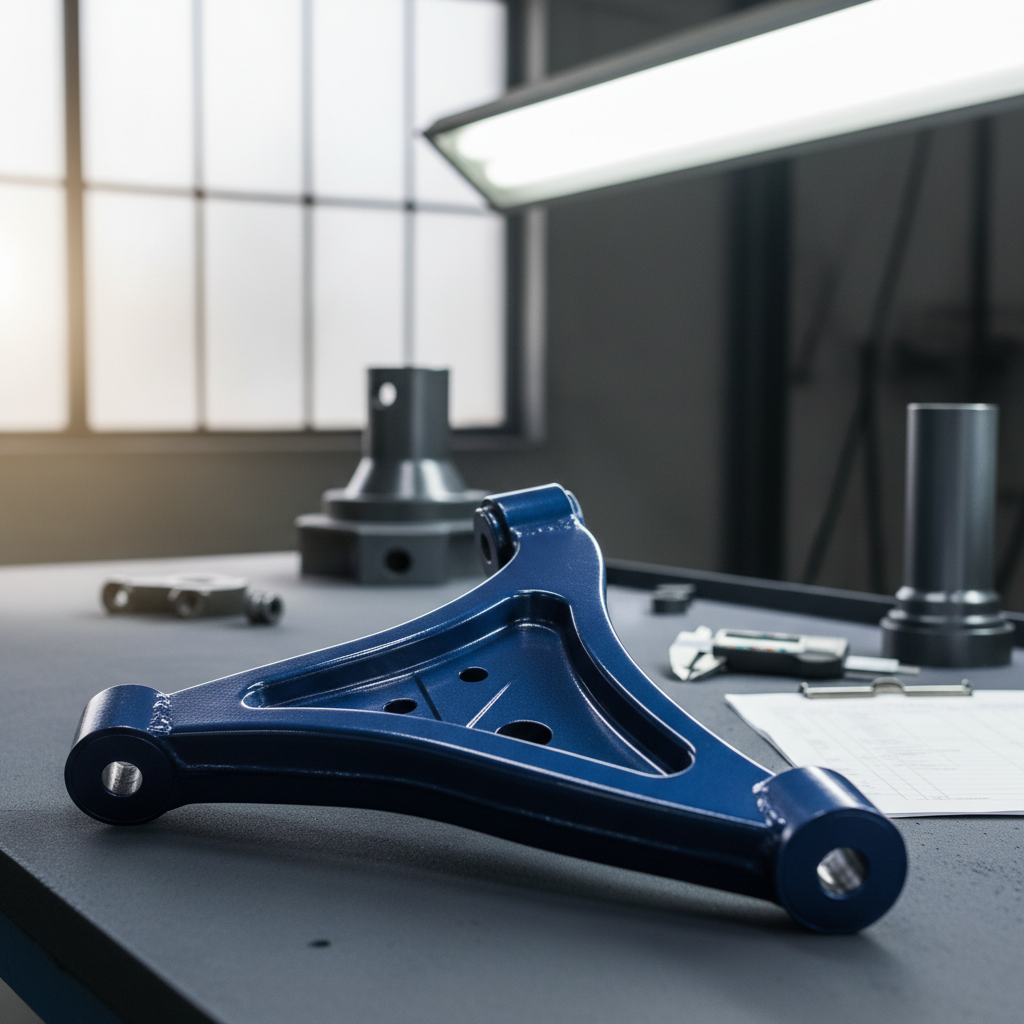
One of the most significant trends in coating inspection is the use of enhanced digital tools. Devices such as drones and digital cameras equipped with high-resolution lenses are now commonplace. These tools allow inspectors to access hard-to-reach areas safely and efficiently, providing high-quality images for analysis.
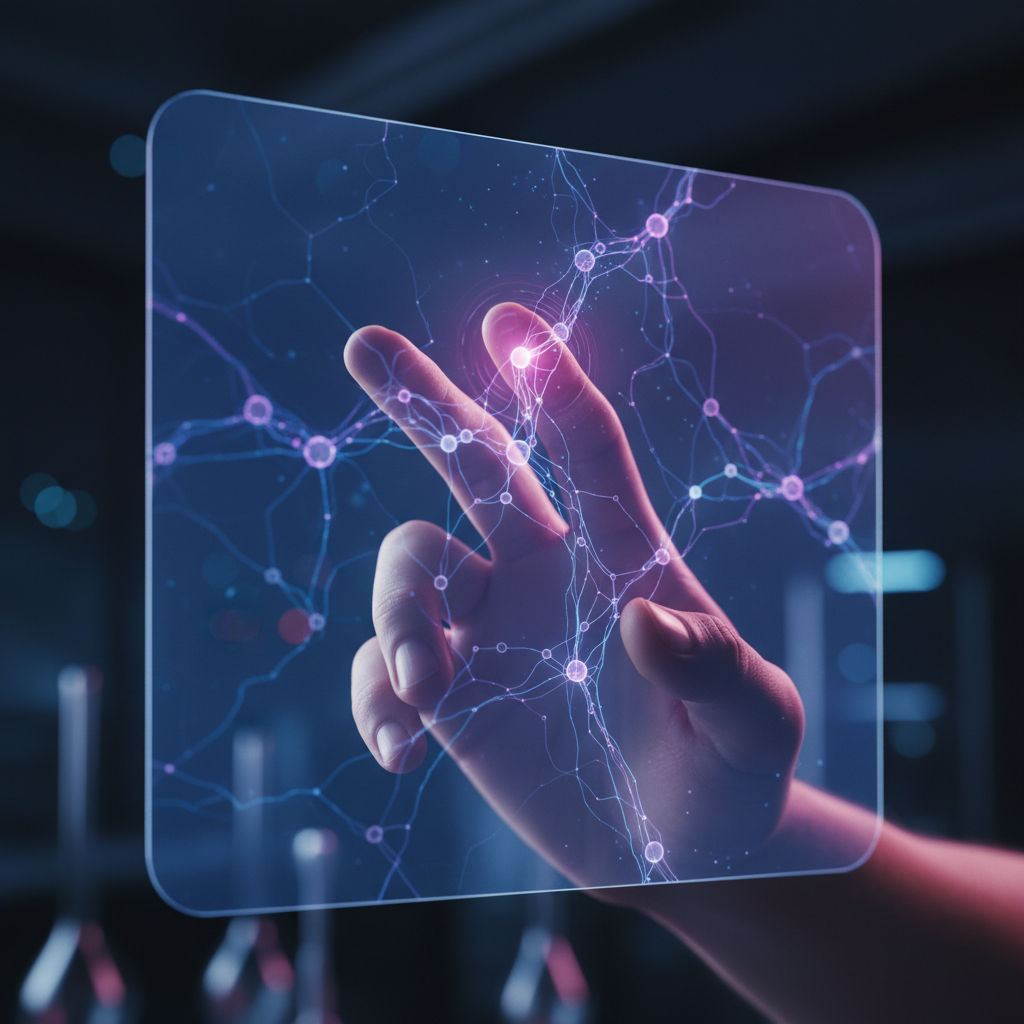
Moreover, some of these devices are now integrated with Artificial Intelligence (AI), enabling automated defect detection and analysis. This technology improves accuracy and reduces human error, making the inspection process more reliable.
Benefits of AI Integration
The integration of AI in coating inspection tools offers several benefits:
- Increased Accuracy: AI can analyze data more precisely than manual methods.
- Time Efficiency: Automated processes speed up inspections.
- Data Management: AI systems can store and manage large datasets effectively.

Non-Destructive Testing (NDT) Techniques
Another trend gaining traction is the use of non-destructive testing (NDT) techniques. These methods allow inspectors to evaluate the properties of a material without causing any damage. Techniques such as ultrasonic testing, magnetic particle testing, and radiography are becoming more sophisticated.
NDT techniques are invaluable in industries where maintaining the integrity of a surface is crucial. They provide insights into the thickness, adhesion, and overall condition of coatings, contributing to better maintenance and longer lifespan of structures.
Advantages of NDT
The advantages of using NDT in coating inspection include:
- Preservation of Material: No damage is done during inspection.
- Comprehensive Results: Detailed information about the coating’s condition.
- Cost-Effective: Reduces the need for frequent reapplications and repairs.
Remote Monitoring and IoT Integration
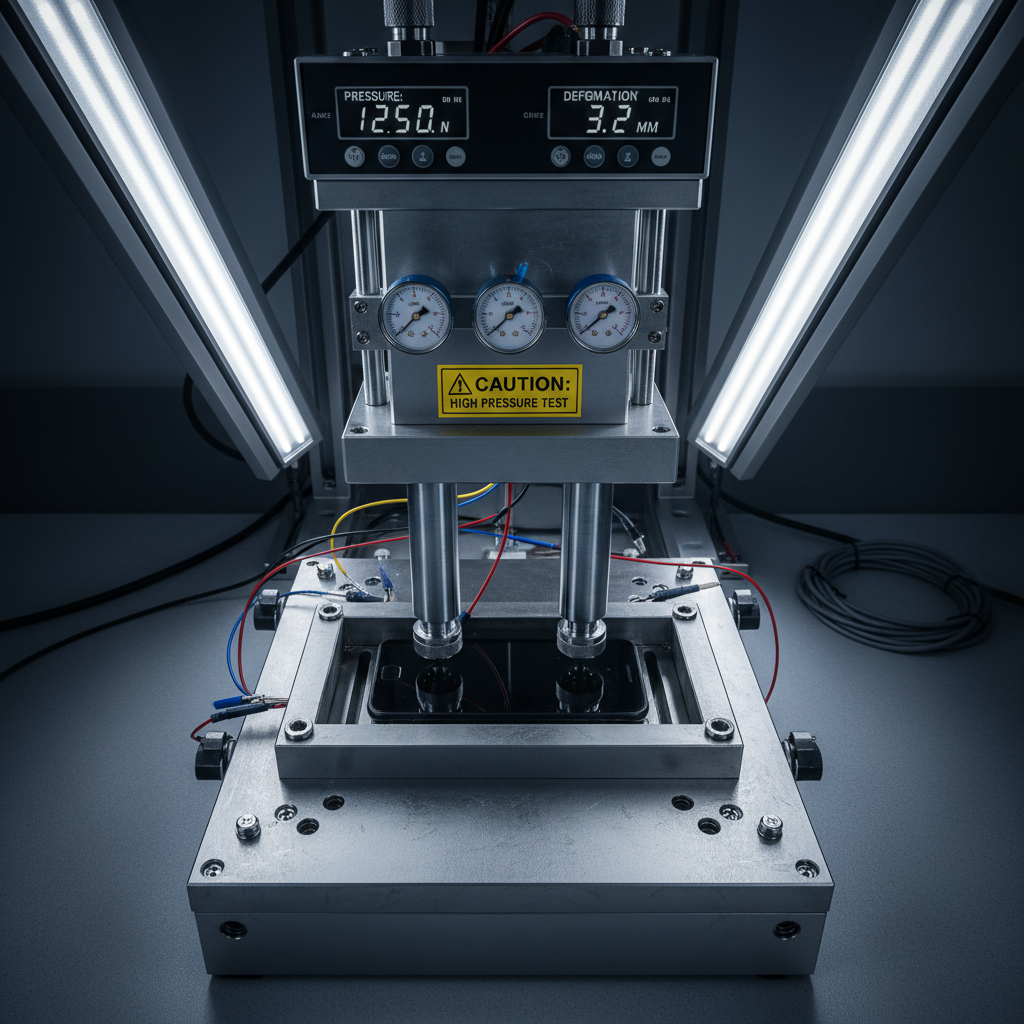
The Internet of Things (IoT) is another technology making waves in coating inspection. By integrating IoT devices, companies can monitor coatings in real-time, gathering data on environmental conditions and coating performance. This data helps in predicting maintenance needs and preventing failures.
Remote monitoring systems can alert maintenance teams to potential issues before they become significant problems, saving time and resources. This proactive approach ensures that coatings continue to protect effectively over their intended lifespan.
Future of Coating Inspection
As technology continues to advance, the future of coating inspection looks promising. The ongoing development of smart coatings and more sophisticated inspection tools will continue to enhance the quality and efficiency of inspections. These innovations will not only improve the performance of coatings but also contribute to sustainability by extending the life of materials and reducing waste.
In conclusion, staying abreast of the latest trends in coating inspection technology is essential for industries reliant on protective coatings. By embracing these innovations, companies can ensure the longevity and effectiveness of their coatings, ultimately leading to better performance and cost savings.