Expert Insights: Common Misconceptions About Coating Inspections


In the world of industrial maintenance, coating inspections play a crucial role in ensuring the longevity and performance of protective layers on various surfaces. However, there are several misconceptions surrounding these inspections that can lead to costly errors and inefficiencies.
Misconception #1: Coating Inspections Are Only Necessary for New Projects
One common misconception is that coating inspections are only required for new projects. In reality, regular inspections are essential throughout the lifespan of a coating. Over time, coatings can degrade due to environmental factors, mechanical damage, or chemical exposure. Routine inspections help identify issues early, preventing more significant problems and extending the coating's life.
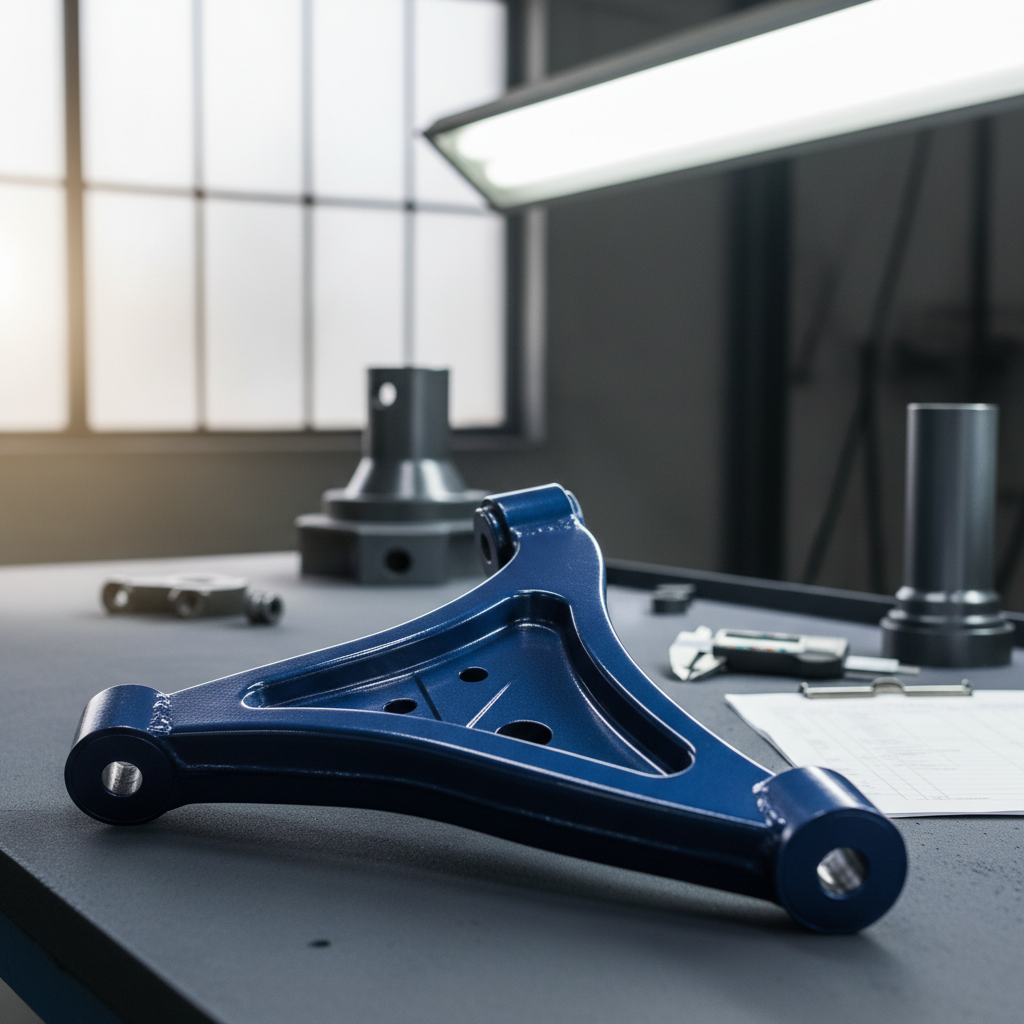
Misconception #2: Any Inspector Can Perform a Coating Inspection
Another misunderstanding is that any inspector with general knowledge can conduct a coating inspection. However, coating inspections require specialized training and expertise. Certified inspectors understand the specific requirements and standards for different types of coatings and can accurately assess their condition and performance.
Qualified professionals use various techniques and tools to evaluate coatings, ensuring the inspections are thorough and reliable. Relying on unqualified inspectors can result in missed issues and inadequate maintenance.
Misconception #3: Visual Inspections Are Sufficient
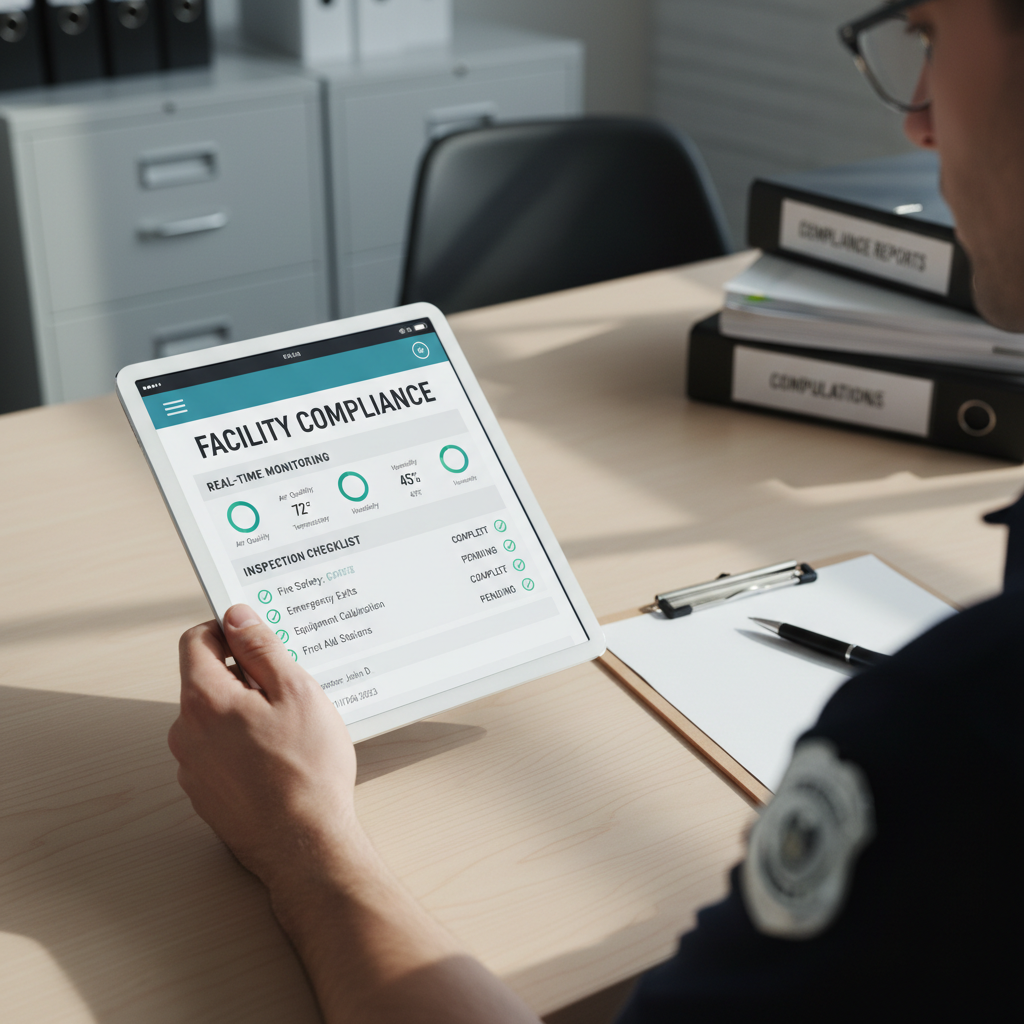
Many believe that a simple visual inspection is enough to assess a coating's condition. While visual inspections are valuable, they are only one part of a comprehensive evaluation. Effective coating inspections often include additional methods such as thickness measurements, adhesion tests, and environmental monitoring.
These techniques provide a more complete understanding of the coating's health, helping to identify underlying issues that may not be visible to the naked eye.
Misconception #4: Coating Inspections Are Expensive
Some may view coating inspections as an unnecessary expense. However, regular inspections can actually save money in the long run. By detecting problems early, inspections can prevent costly repairs or replacements. Moreover, maintaining the integrity of coatings can enhance the efficiency and safety of equipment and structures.
Misconception #5: All Coatings Require the Same Inspection Approach
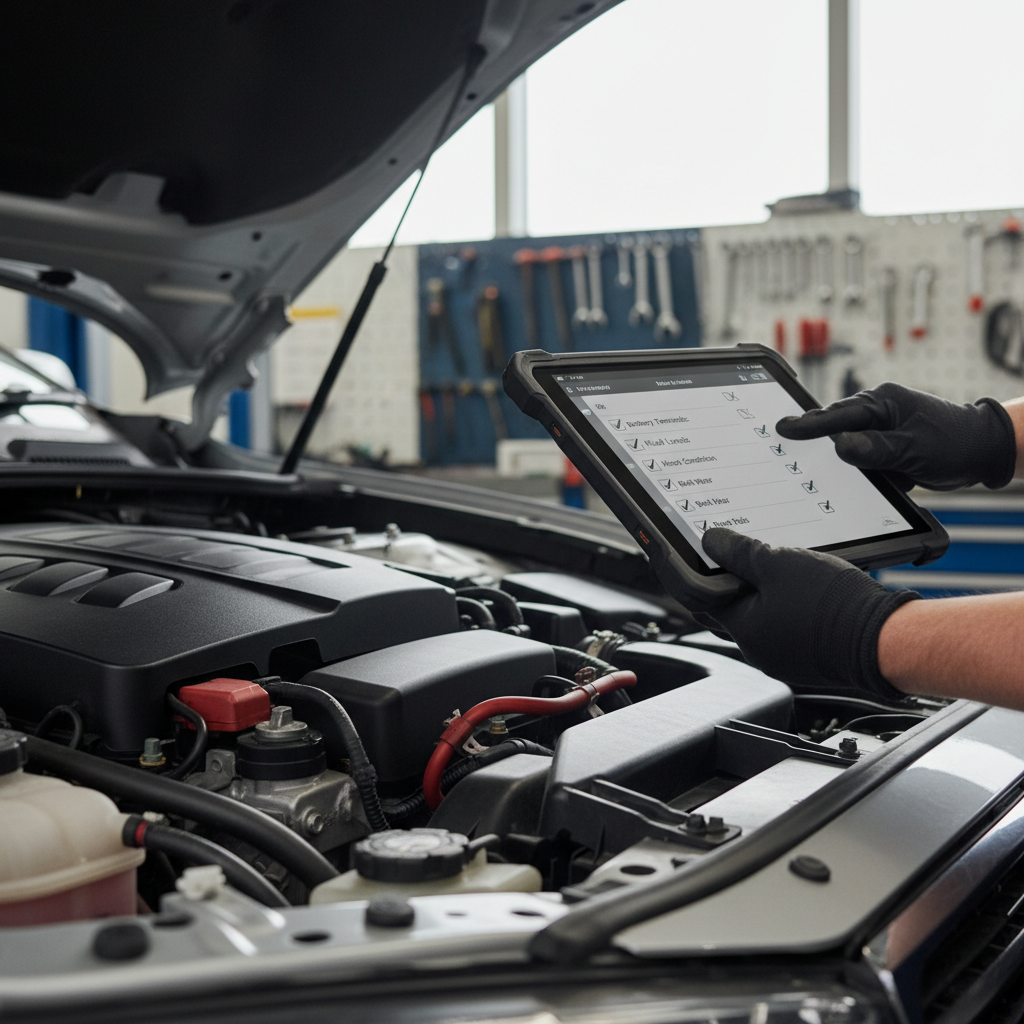
A final misconception is that all coatings require the same inspection approach. In truth, different coatings have unique properties and vulnerabilities. Factors such as the type of substrate, environmental conditions, and the intended function of the coating all influence the inspection process.
Customized inspection plans tailored to specific coatings and conditions ensure more accurate assessments and effective maintenance strategies.
In conclusion, understanding these common misconceptions about coating inspections can significantly improve maintenance practices and asset management. By recognizing the importance of qualified inspectors, comprehensive evaluation methods, and tailored inspection plans, businesses can enhance the durability and performance of their coatings, ultimately leading to better protection and cost savings.