DIY Tips for Preparing Your Surface for Professional Coating Inspection


Preparing a surface for a professional coating inspection is a crucial step in ensuring the longevity and effectiveness of the coating itself. Whether you're working on a large industrial project or a smaller residential task, the preparation process is key to achieving optimal results. Here are some DIY tips to help you get your surface ready.
Understanding the Importance of Surface Preparation
Surface preparation is often overlooked, but it is one of the most important parts of the coating process. A well-prepared surface ensures that the coating adheres properly, which in turn enhances durability and performance. Neglecting this step can lead to peeling, bubbling, and other issues that can compromise the integrity of the coating.
Cleaning the Surface
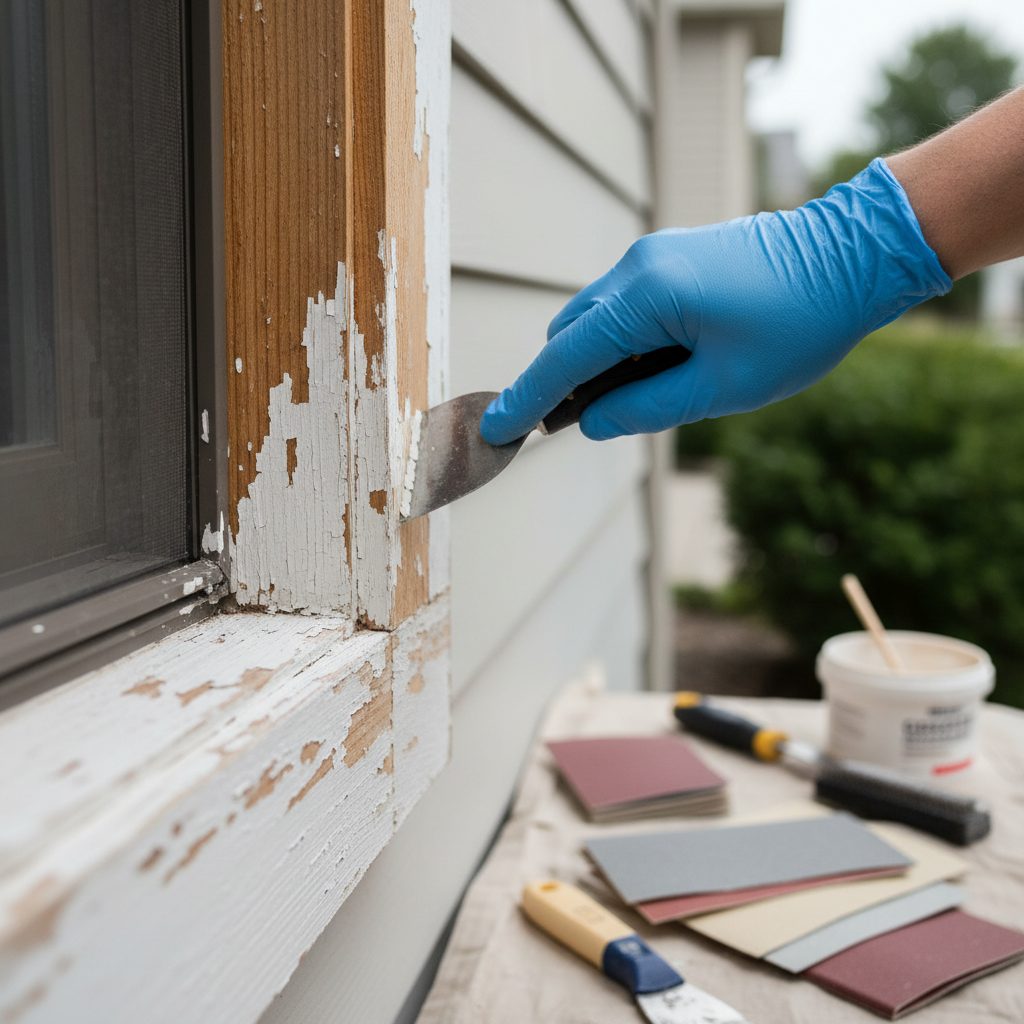
Before any coating can be applied, the surface must be thoroughly cleaned. This involves removing any dirt, grease, oil, or previous coatings that may interfere with the new application. Using a degreaser or detergent can be effective, followed by rinsing with water to remove any residues.
- Use a pressure washer for large surfaces.
- For smaller areas, a scrub brush may suffice.
- Ensure the surface is completely dry before moving on to the next step.
Inspecting for Damage
After cleaning, inspect the surface for any signs of damage, such as cracks, chips, or rust. It's essential to address these issues before applying any coating. Small repairs can often be managed with patching compounds or fillers, while larger problems may require professional assistance.
Sanding and Abrasion
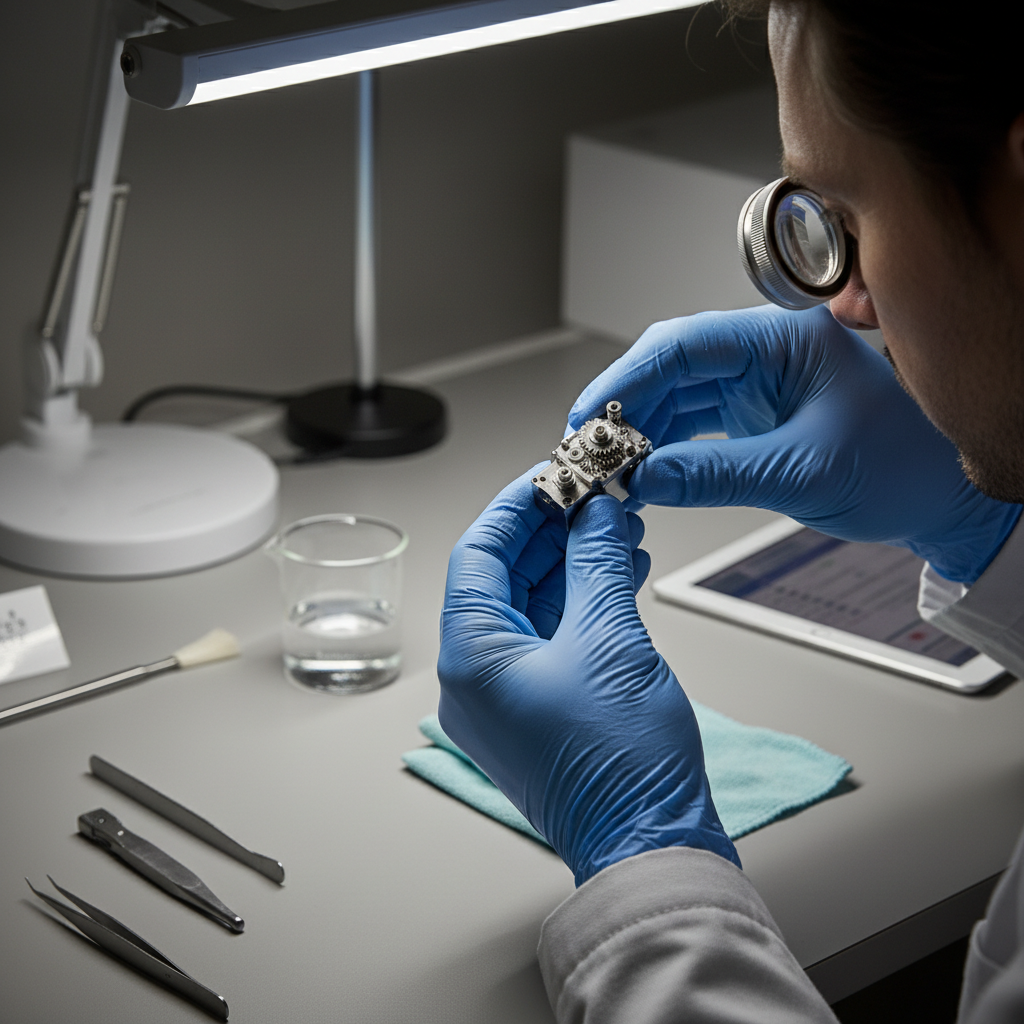
Sanding or abrading the surface creates a profile that allows the coating to adhere more effectively. This step is particularly important for smooth surfaces, such as metal or plastic. Using the appropriate grade of sandpaper or abrasive material is crucial to avoid damaging the surface while achieving the desired texture.
- Choose the right grit for your material.
- Use consistent pressure to avoid uneven surfaces.
- Clean the surface again to remove any dust or debris.
Priming the Surface
Priming is the final step before the coating application. A primer acts as a bonding agent, enhancing the adhesion of the coating and improving its durability. Choose a primer that is compatible with both the surface material and the type of coating you plan to use.

Final Inspection
Before the professional inspection, conduct a final review of your prepared surface. Check for any missed spots, inconsistencies, or areas that may require additional attention. This proactive approach can save time and resources in the long run.
By following these DIY tips, you can ensure that your surface is adequately prepared for a professional coating inspection. Proper preparation not only enhances the appearance and longevity of the coating but also maximizes its protective capabilities.