Comprehensive Guide to High-Quality Coating Inspection Techniques


Understanding Coating Inspection
Coating inspection is a critical process in various industries to ensure that protective coatings are applied correctly and meet specified standards. These coatings help in preventing corrosion, wear, and other forms of degradation. Understanding the nuances of coating inspection can significantly impact the longevity and effectiveness of the coatings. This guide delves into the essential techniques and best practices involved in high-quality coating inspections.
Importance of Coating Inspection
Coating inspections are vital for maintaining the integrity of structures and machinery. A well-conducted inspection can identify potential issues early, saving time and resources in the long run. The inspection process involves checking the thickness, adhesion, and uniformity of the coating layer. Ensuring these factors meet industry standards can prevent costly repairs and replacements.
Key Benefits
Performing thorough coating inspections provides several benefits, including:
- Enhanced Durability: Ensures coatings last longer by identifying deficiencies early.
- Cost Efficiency: Prevents expensive repairs by addressing issues before they escalate.
- Safety Assurance: Maintains the safety of structures by preventing material degradation.
Types of Coating Inspection Techniques
Various techniques are employed in coating inspections, each serving a specific purpose. Understanding these techniques ensures a comprehensive assessment of the coating's quality.
Visual Inspection
Visual inspection is the most basic form of coating inspection. It involves examining the surface for visible defects such as cracks, blisters, or uneven application. While simple, it is a crucial first step in the inspection process.

Thickness Measurement
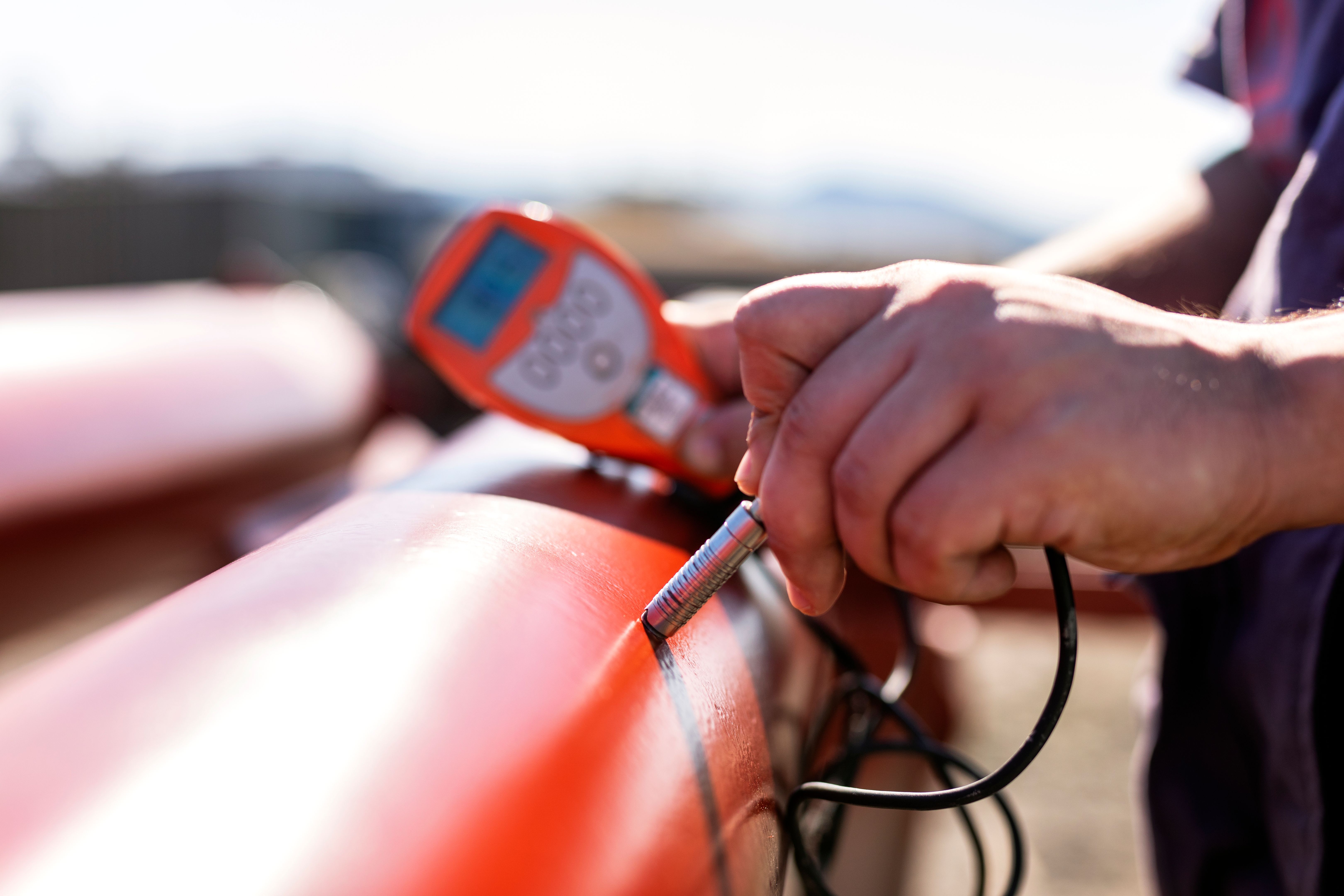
Measuring the coating thickness is essential to ensure it meets the specified requirements. This can be done using tools like micrometers or ultrasonic gauges. Accurate thickness measurement is vital for the coating's protective performance.
Advanced Inspection Techniques
Beyond the basic methods, advanced techniques provide deeper insights into the coating's condition. These methods often require specialized equipment and trained personnel.
Adhesion Testing
Adhesion tests determine how well the coating adheres to the substrate. Poor adhesion can lead to premature failure. Common methods include pull-off tests and cross-cut tests, which evaluate the bond strength effectively.
Non-Destructive Testing (NDT)
NDT methods, such as magnetic particle inspection or ultrasonic testing, assess the coating's integrity without damaging it. These techniques are invaluable for detecting subsurface defects that are not visible to the naked eye.
Best Practices for Coating Inspection
Implementing best practices ensures the effectiveness and accuracy of coating inspections. Consistent training and adherence to industry standards are crucial.
Documentation and Reporting
Proper documentation and reporting are essential parts of the inspection process. Detailed reports provide insights into the coating's condition and offer recommendations for maintenance or repair.
By following these guidelines and employing the right techniques, businesses can ensure their coatings provide maximum protection and longevity. Regular inspections and adherence to standards are key to successful coating maintenance.