Comprehensive Guide to Coating Inspection: What You Need to Know


Understanding Coating Inspection
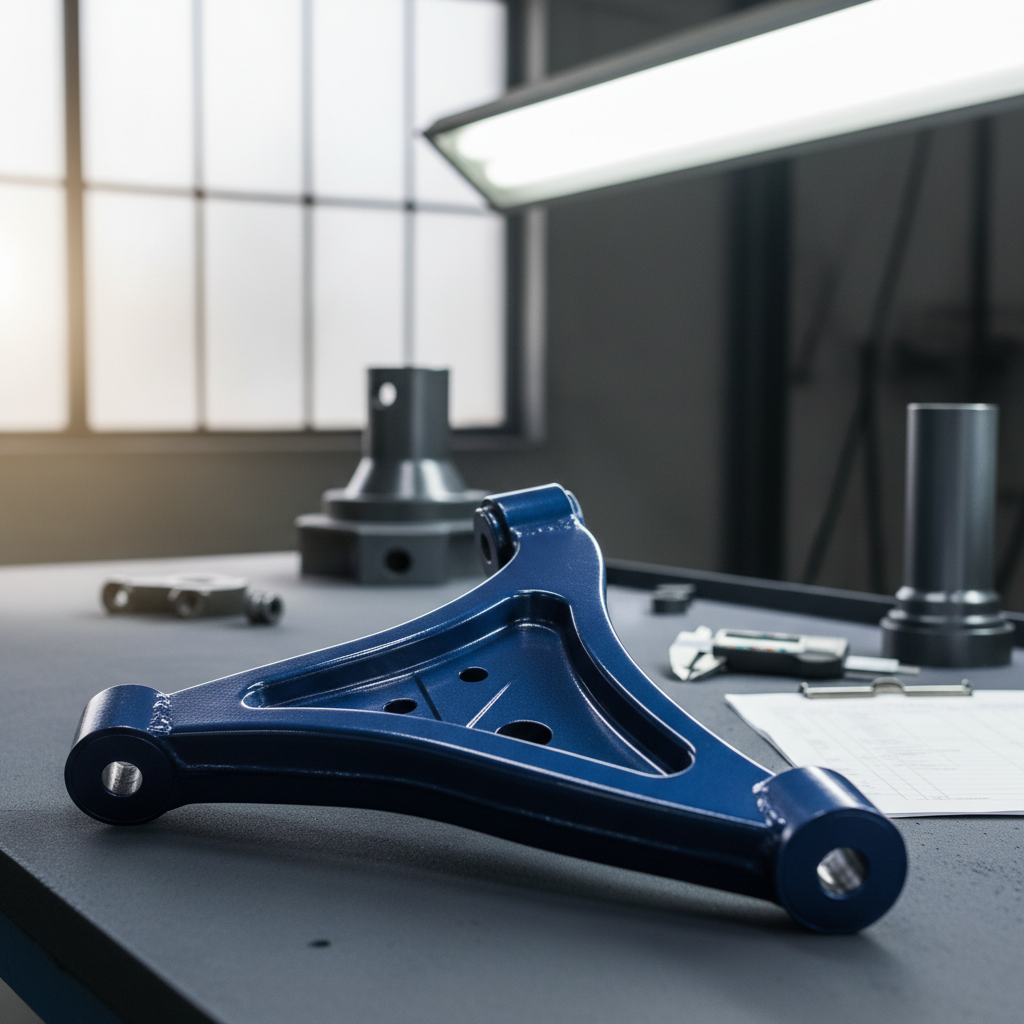
Coating inspection is a critical process in ensuring the longevity and performance of industrial coatings. It involves a series of checks and tests to determine the quality and integrity of the coating applied to a surface. This is especially important for industries where protective coatings are essential to prevent corrosion, wear, and other forms of damage.
Effective coating inspection can prevent costly repairs and extend the lifespan of structures and equipment. By understanding the principles and methods of coating inspection, stakeholders can maintain high standards and ensure safety and durability.
Key Elements of Coating Inspection
Surface Preparation
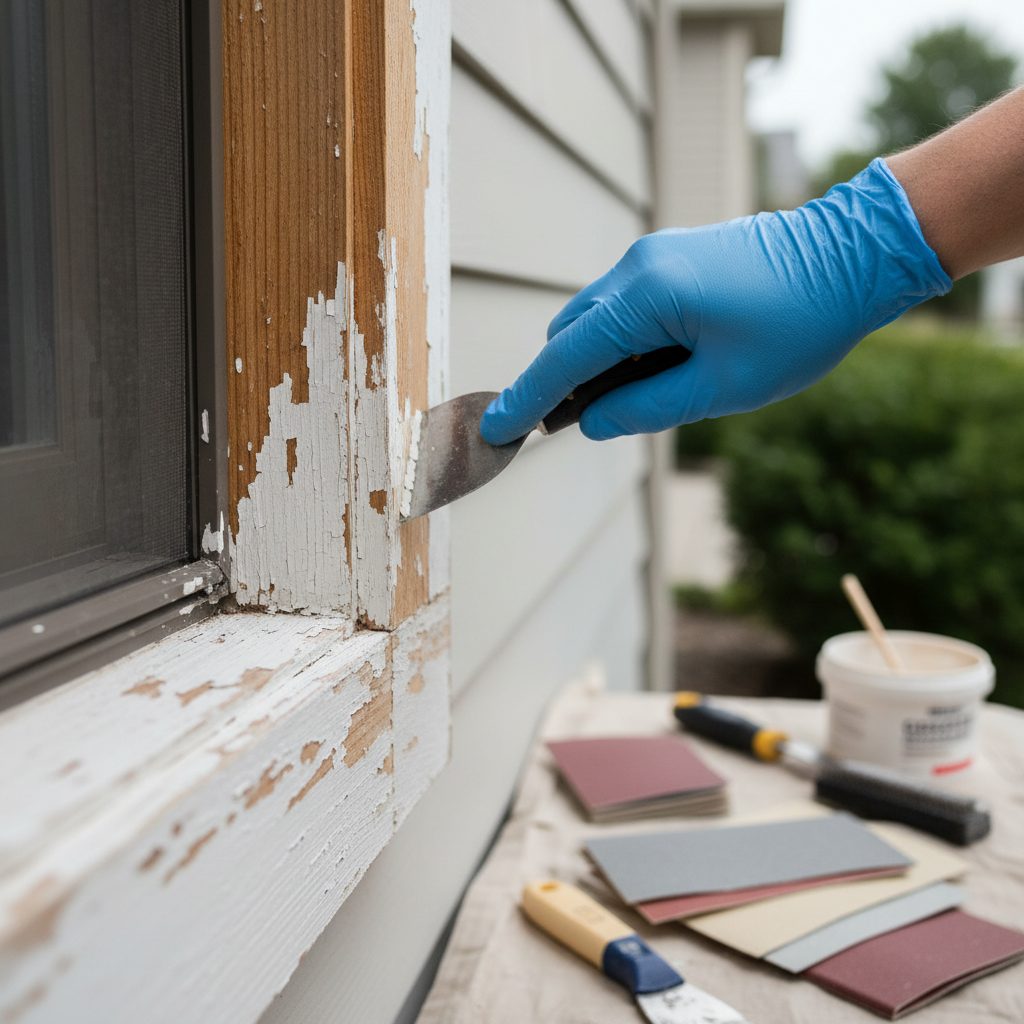
The first step in coating inspection is examining surface preparation. Proper surface preparation is crucial as it directly affects the adhesion and performance of the coating. Inspectors check for cleanliness, roughness, and any contaminants that may hinder the coating process.
Application Process
During the application process, inspectors ensure that the coating is applied according to specifications. This includes monitoring conditions such as temperature, humidity, and application techniques. Any deviations from the specified parameters can lead to coating failures.
Inspection Techniques and Tools
Visual Inspection
Visual inspection is the most common and straightforward technique used in coating inspection. It involves a detailed examination of the coated surface to identify defects such as blisters, cracks, or peeling. Inspectors use visual aids like magnifying glasses and mirrors to enhance their assessment.
Non-Destructive Testing (NDT)
Non-destructive testing methods, such as ultrasonic testing and magnetic particle inspection, are employed to assess the coating's integrity without damaging the surface. These techniques provide insight into the thickness, adhesion, and overall quality of the coating.

Documentation and Reporting
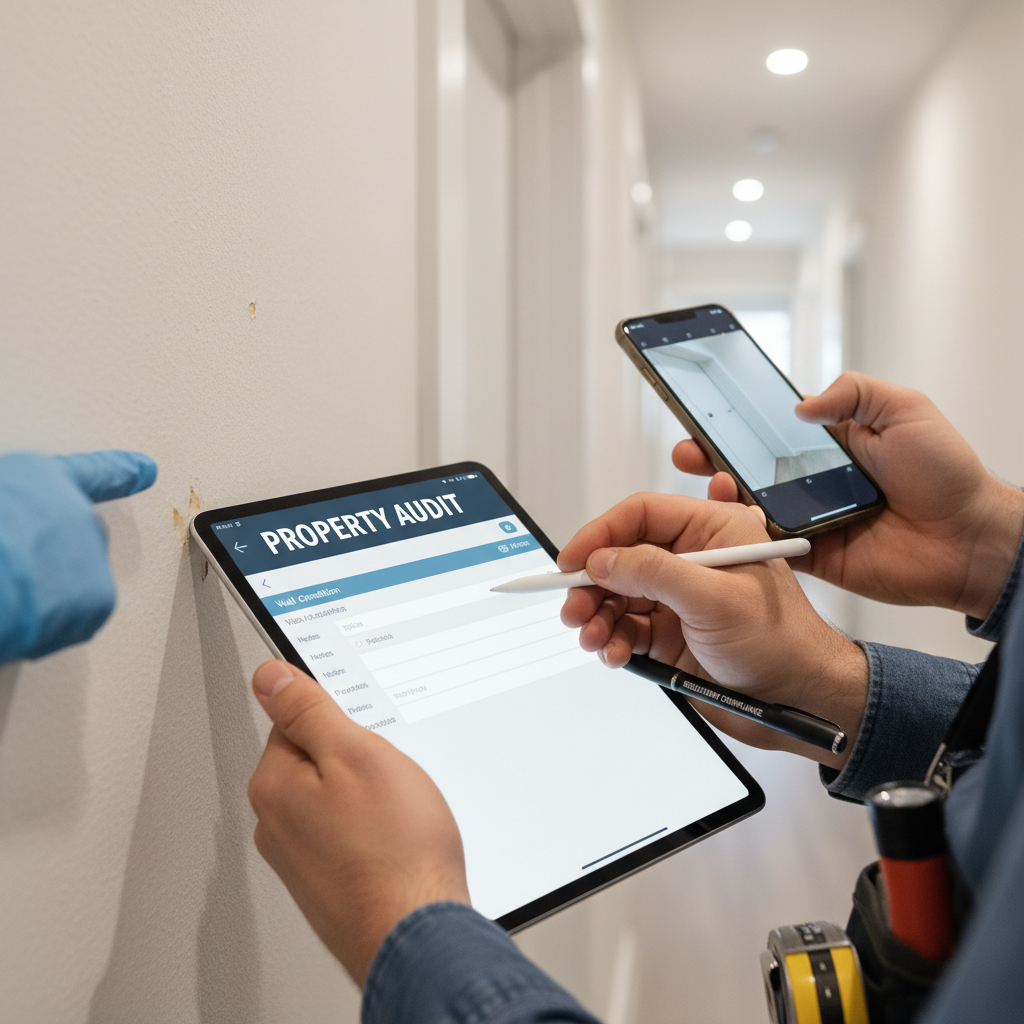
Accurate documentation is a vital component of coating inspection. Inspectors must maintain detailed records of their findings, including photographs, measurements, and test results. This documentation serves as a reference for future maintenance and quality control.
Reporting involves compiling the inspection data into a comprehensive report that highlights any issues and provides recommendations for corrective actions. Clear and concise reporting ensures that all stakeholders are informed and can make decisions based on reliable information.
Conclusion
Coating inspection is an essential practice that helps ensure the effectiveness and durability of protective coatings. By focusing on surface preparation, application processes, and using advanced inspection techniques, industries can maintain high performance and safety standards. Comprehensive documentation and reporting further enhance the value of the inspection process, enabling informed decision-making and long-term success.
Investing in regular and thorough coating inspections can save time, reduce costs, and ultimately protect valuable assets. Understanding the nuances of coating inspection empowers businesses to uphold quality and reliability in their operations.