Comprehensive Guide to Coating Inspection: Ensuring Long-lasting Protection


Understanding the Importance of Coating Inspection
Coating inspection is a critical process in ensuring the longevity and effectiveness of protective coatings. These coatings are often used to shield structures from environmental damage, corrosion, and other degrading factors. A thorough inspection helps identify defects and ensures compliance with industry standards, ultimately extending the life of the coated surface.
By conducting regular inspections, companies can avoid costly repairs and replacements. The process involves checking the coating's thickness, adhesion, and overall quality. Skilled inspectors use specialized tools and techniques to evaluate these factors, providing valuable insights into the coating's condition.
Key Elements of Coating Inspection
Surface Preparation
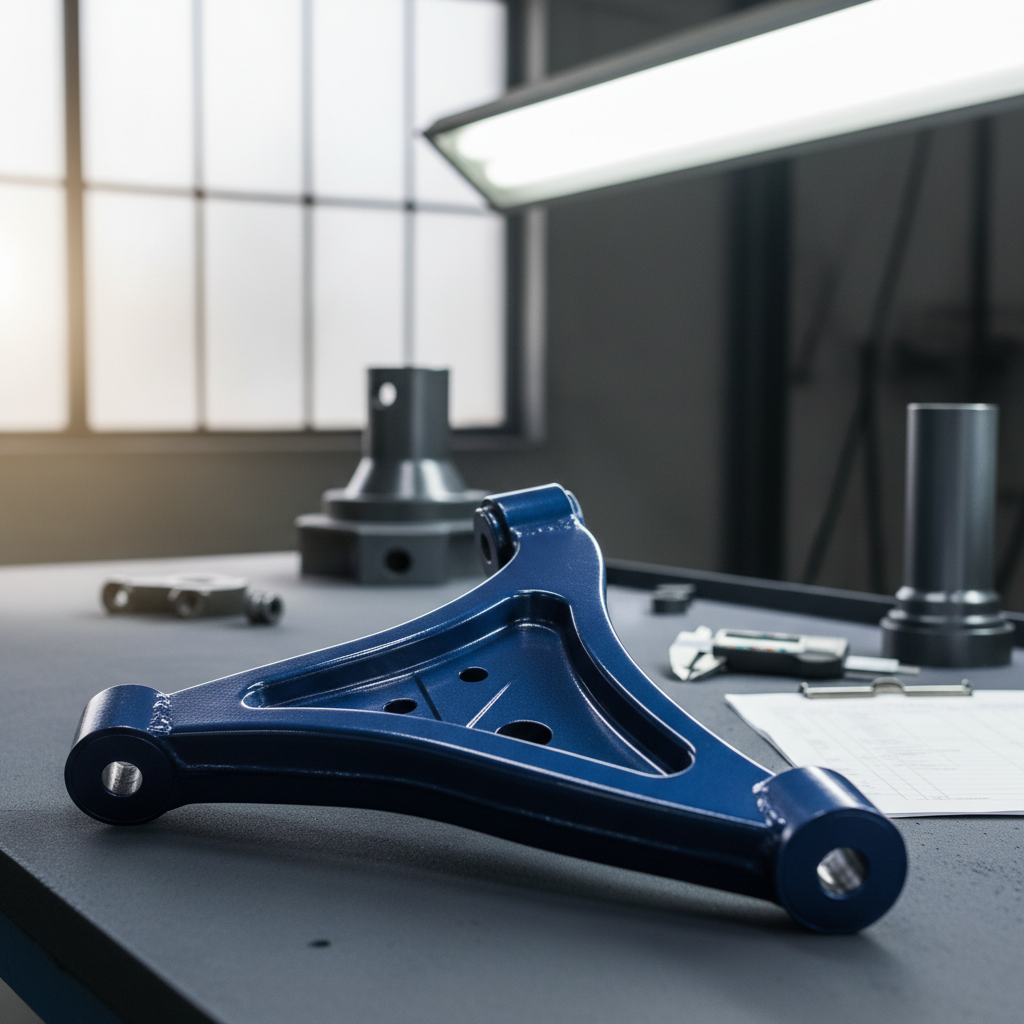
Proper surface preparation is the foundation of any successful coating application. Inspectors must verify that the surface is clean, dry, and free from contaminants. This step is crucial because any impurities can compromise the coating's adhesion and effectiveness.
Coating Application
During the application phase, inspectors ensure that the coating is applied uniformly and according to the manufacturer's specifications. They check for common issues such as uneven coverage, bubbles, or sags, which can lead to premature coating failure.
Inspection Tools and Techniques
Thickness Measurement
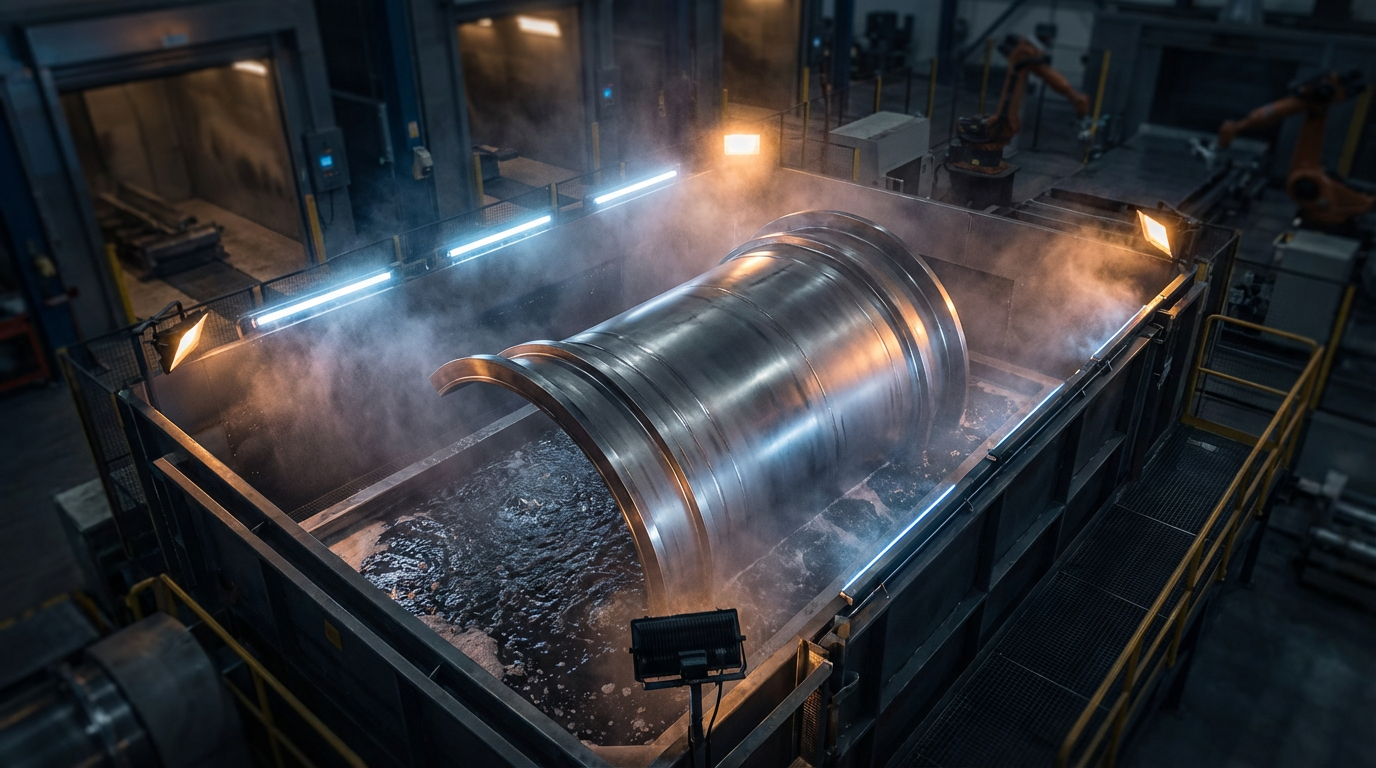
One of the most important aspects of coating inspection is measuring the coating's thickness. Inspectors use devices like magnetic gauges, ultrasonic thickness gauges, and micrometers to obtain accurate readings. This ensures that the coating meets the specified thickness for optimal protection.
Adhesion Testing
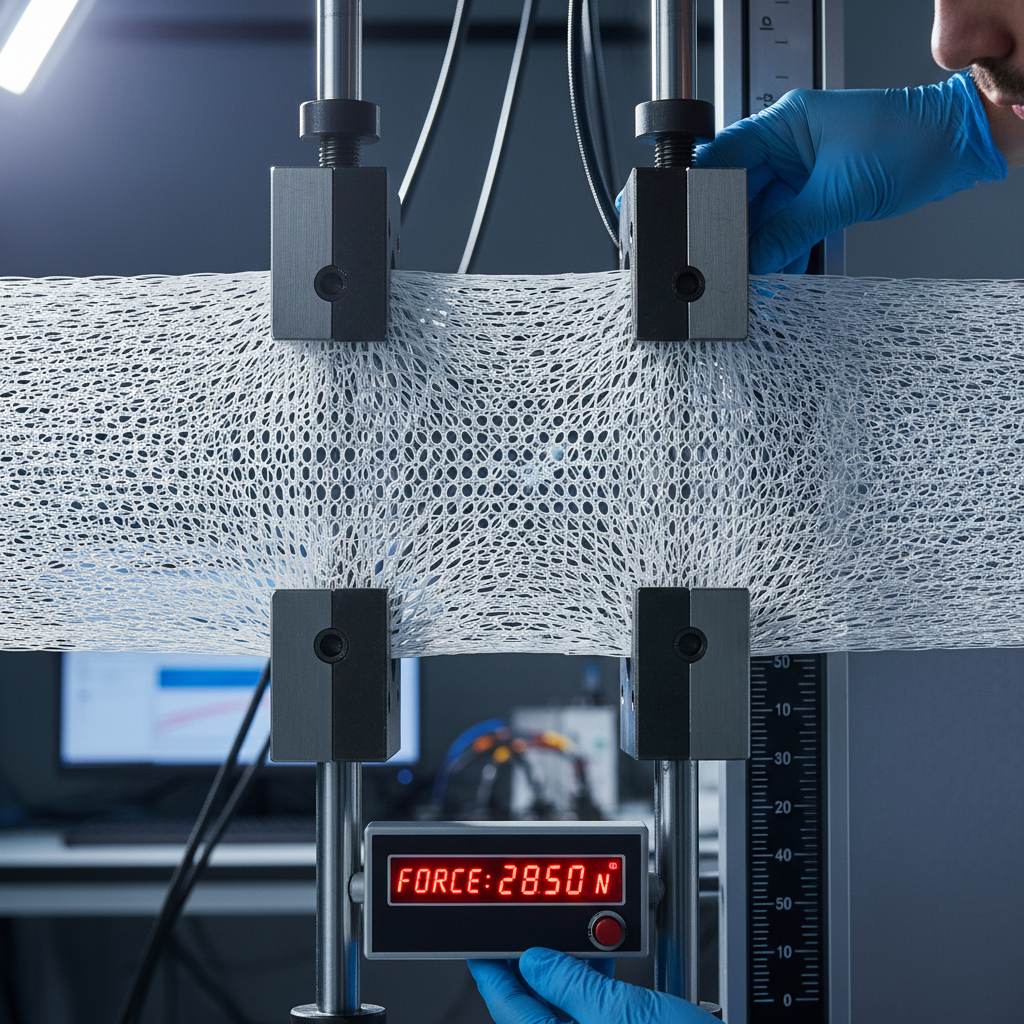
Adhesion testing is performed to evaluate how well the coating bonds to the substrate. Techniques such as pull-off tests and cross-cut tests are commonly used. These methods help determine the coating's durability and resistance to peeling or flaking.
Benefits of Regular Coating Inspections
Regular coating inspections offer numerous benefits, including prolonged lifespan of the coated surface, reduced maintenance costs, and enhanced safety. By identifying potential issues early, companies can implement corrective measures before significant damage occurs.
Moreover, inspections ensure compliance with industry standards and regulations, which is vital for maintaining a company's reputation and avoiding legal issues. Investing in regular inspections is a proactive approach that pays off in the long run.
Conclusion
In conclusion, coating inspection is an indispensable part of maintaining and protecting assets from environmental and physical damage. By understanding the key elements of inspection and employing the right tools and techniques, businesses can ensure their coatings deliver long-lasting protection.
Whether it's for industrial, marine, or architectural applications, regular inspections are crucial for achieving the desired performance and longevity. Emphasizing the importance of coating inspection can lead to significant cost savings and enhanced structural integrity over time.