Comparing Coating Inspection Techniques: Which Is Right for Your Project?


When it comes to preserving the integrity and longevity of surfaces, coating inspection is crucial. Various techniques are available, each with its own benefits and limitations. Choosing the right method depends on the project's specific needs and constraints. This guide will explore the most common coating inspection techniques and help you determine which is best suited for your project.
Visual Inspection
Visual inspection is one of the most straightforward and cost-effective methods available. It involves a thorough examination of the coating surface to identify visible defects such as cracks, blisters, or discoloration. This method requires minimal equipment and can be performed quickly, making it ideal for ongoing maintenance checks.
However, visual inspection has limitations. It relies heavily on the inspector's experience and may miss subsurface defects that aren't visible to the naked eye. Despite this, it remains a fundamental step in any coating inspection process.

Ultrasonic Testing
Ultrasonic testing is a non-destructive technique that uses high-frequency sound waves to detect thickness and potential defects beneath the surface of a coating. This method is particularly useful for projects where the coating is applied to metal substrates, as it can reveal internal flaws that would otherwise go unnoticed.
Though highly accurate, ultrasonic testing requires specialized equipment and trained personnel. It's an excellent choice for projects where the cost of failure is high, such as in pipelines, tanks, and structural steel applications.
Magnetic Particle Inspection
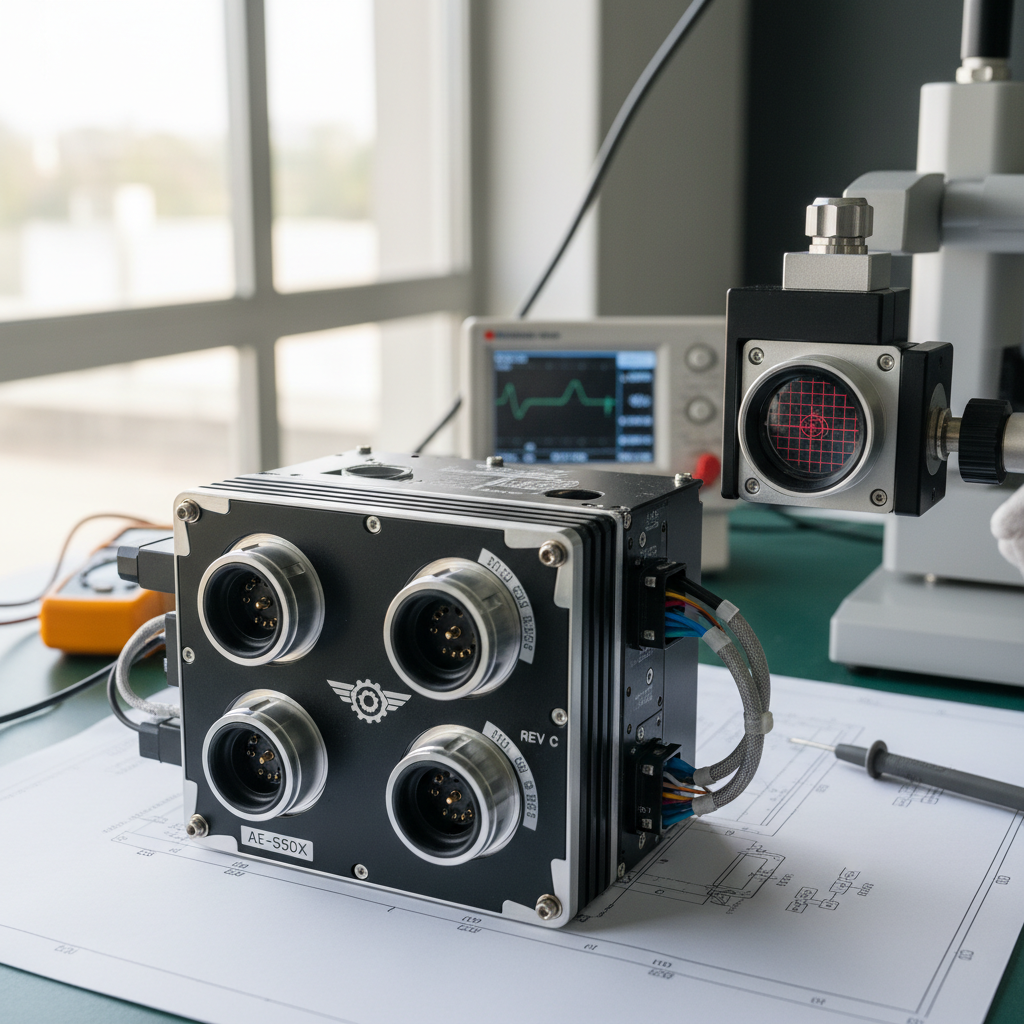
Magnetic particle inspection is used primarily for ferrous materials. It involves the application of a magnetic field and the use of iron particles to reveal surface and near-surface discontinuities. This method is effective for identifying surface cracks and is widely used in industries where safety is paramount, such as aerospace and automotive.
While magnetic particle inspection is excellent for detecting surface defects, it is limited to magnetic materials only. It is not suitable for coatings on non-ferrous metals or non-metallic surfaces.
Infrared Thermography
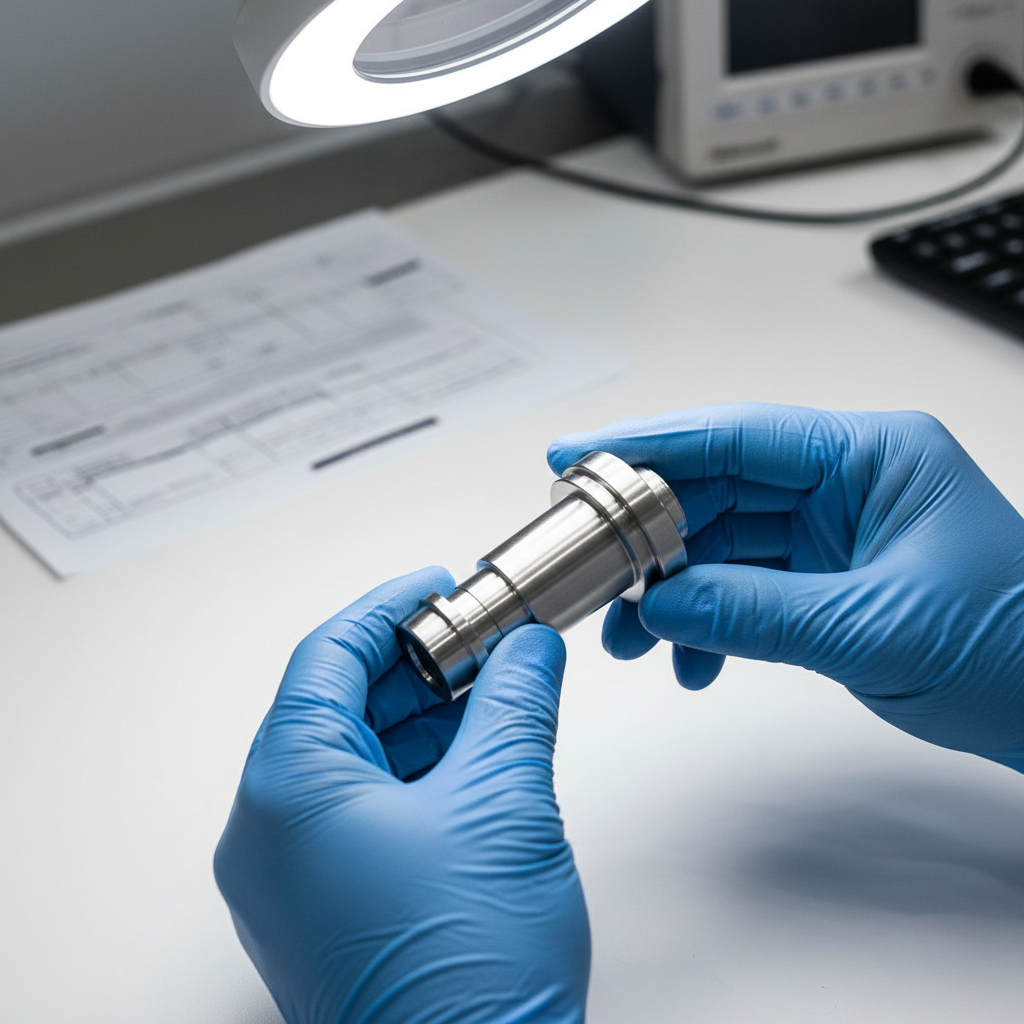
Infrared thermography detects heat patterns and temperature changes on a coated surface. It is a non-contact method that can quickly cover large areas, making it ideal for detecting delaminations, voids, and other subsurface anomalies.
This technique is beneficial for projects involving large structures or hard-to-reach areas. However, it requires specific environmental conditions and expertise to interpret the results accurately.
Choosing the Right Technique
When selecting a coating inspection technique, consider the following factors:
- Material Type: Different methods are suited to different materials. Ensure compatibility with your substrate.
- Defect Type: Consider the types of defects you aim to detect.
- Cost and Equipment: Balance the need for accuracy with budget constraints and available equipment.
- Project Scope: Consider the size and complexity of the project.
Ultimately, the right coating inspection technique will depend on your specific project requirements. By understanding the strengths and limitations of each method, you can ensure your coatings perform as expected, providing long-lasting protection and value.