Common Myths About Coating Inspections Debunked


Understanding Coating Inspections
Coating inspections are a critical part of maintaining infrastructure, ensuring that protective coatings on surfaces like bridges, pipelines, and buildings function effectively. However, several myths surround the process, leading to misunderstandings and potential errors. Here, we debunk some of the most common myths associated with coating inspections.
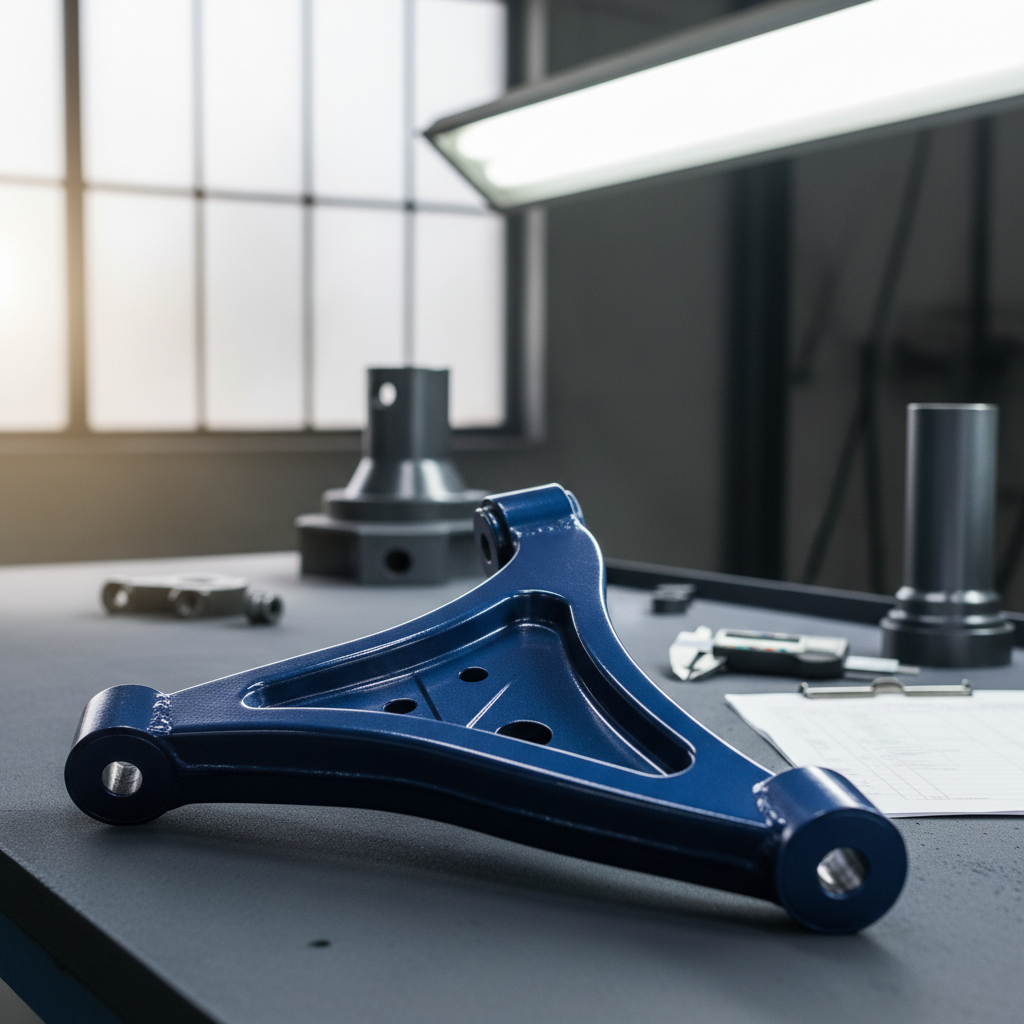
Myth 1: Coating Inspections Are Unnecessary
One prevalent myth is that coating inspections are a redundant process. In reality, regular inspections are vital to identify early signs of coating failure, such as blistering or rusting. These early detections can prevent costly repairs and extend the life of the infrastructure.
Skimping on inspections can lead to severe consequences, including structural damage or environmental hazards. Consistent inspections help maintain safety standards and ensure compliance with industry regulations.
Myth 2: Any Inspector Can Do the Job
Another common misconception is that any inspector can perform coating inspections. This is far from the truth. Coating inspections require specialized knowledge and training to understand the complexities of different coatings and substrates. Certified inspectors are trained to identify subtle issues that untrained eyes might miss.
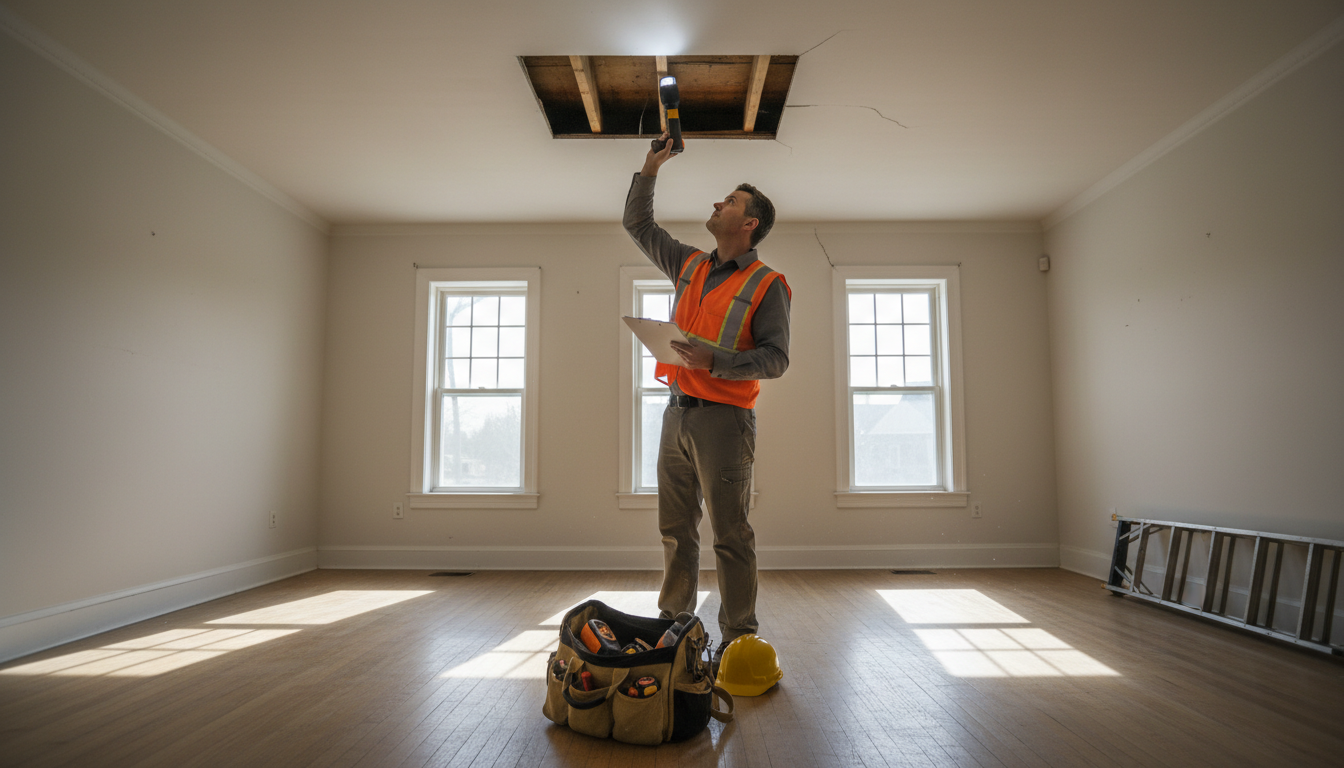
Myth 3: Coating Inspections Are Only Necessary for New Installations
Some believe that coating inspections are only required during or immediately after new installations. However, coatings are exposed to various environmental factors over time that can degrade their effectiveness. Regular inspections are crucial throughout the lifespan of the coating to ensure ongoing protection.
By scheduling periodic inspections, asset owners can catch potential issues early and apply maintenance strategies as needed.
Myth 4: Visual Inspections Are Sufficient
Many assume that a simple visual inspection is enough to assess a coating's condition. While visual inspections are a component of the process, they are not comprehensive. Advanced tools and techniques, such as ultrasonic gauges and adhesion tests, provide a more detailed understanding of a coating’s integrity.

Myth 5: Coating Inspections Are Too Expensive
There is a perception that coating inspections are prohibitively expensive. In fact, the cost of regular inspections is often much lower than the expenses associated with repairing or replacing damaged infrastructure. Investing in inspections is a cost-effective strategy for long-term asset management.
Ultimately, the savings from avoiding premature coating failures and extending the life of assets make inspections a wise financial decision.
The Importance of Debunking These Myths
Understanding and debunking these myths is essential for asset owners and managers. By recognizing the value of coating inspections, stakeholders can make informed decisions that protect their investments and ensure safety.
Regular, thorough coating inspections are not just a regulatory requirement but a best practice for maintaining the integrity and longevity of critical infrastructure.