Case Study: Successful Coating Inspection Projects in New Zealand


In recent years, New Zealand has become a hub for innovative engineering and construction projects. Among these, coating inspection projects have gained significant attention due to their importance in ensuring the longevity and durability of infrastructure. In this case study, we explore some of the most successful coating inspection projects in New Zealand, highlighting the strategies and technologies that contributed to their success.
Coating inspection is a critical process that involves assessing the quality and integrity of protective coatings applied to various structures. These coatings are essential in preventing corrosion, wear, and other environmental damages. Successful projects in New Zealand have leveraged cutting-edge technologies and expert oversight to achieve outstanding results.
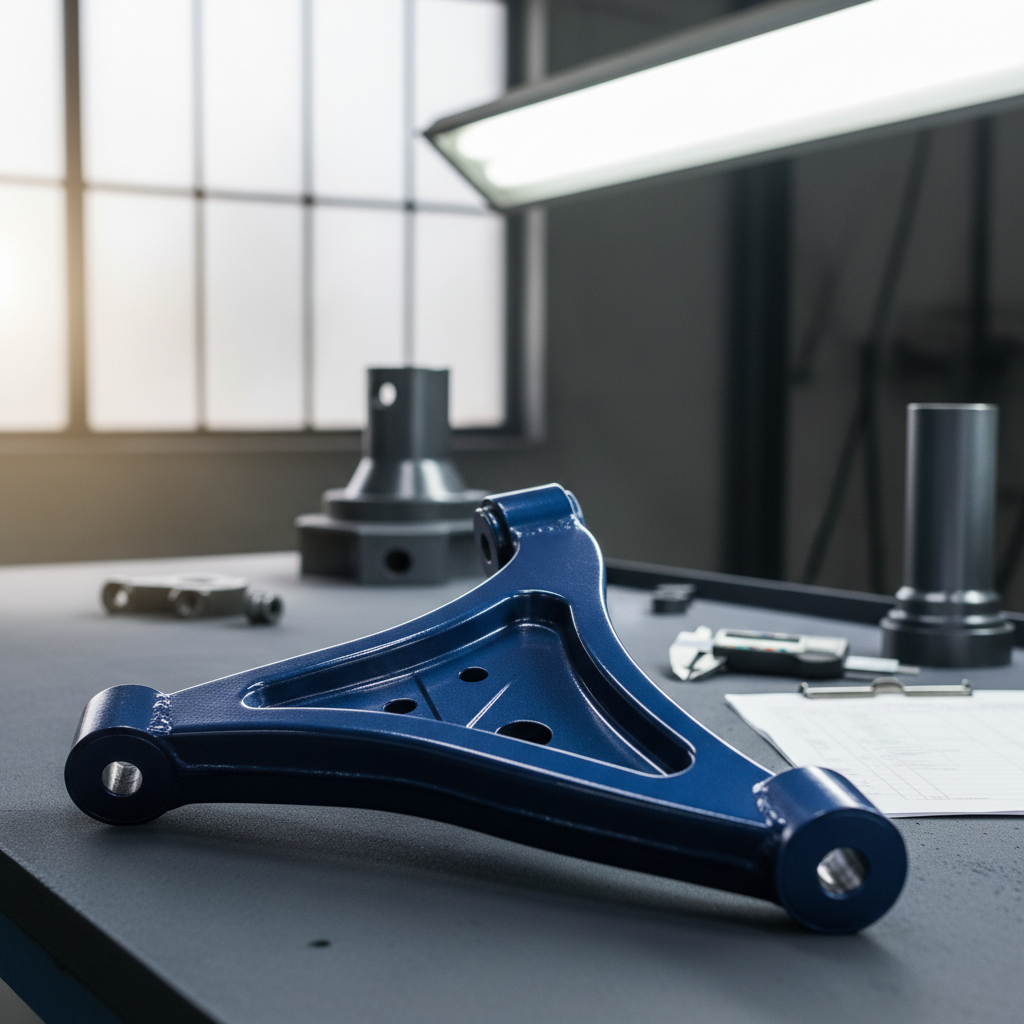
Project Overview: Auckland Harbor Bridge
The Auckland Harbor Bridge is one of New Zealand's iconic structures, and maintaining its integrity is crucial. The coating inspection project for the bridge involved a comprehensive evaluation of its protective layers. This project was particularly challenging due to the bridge's exposure to harsh marine conditions.
Innovative Techniques Used
Advanced non-destructive testing (NDT) methods were employed to assess the coating's condition without causing any damage. Techniques such as ultrasonic testing and magnetic particle inspection were pivotal in identifying areas requiring maintenance. By using these methods, the team ensured minimal disruption to the bridge's daily operations.
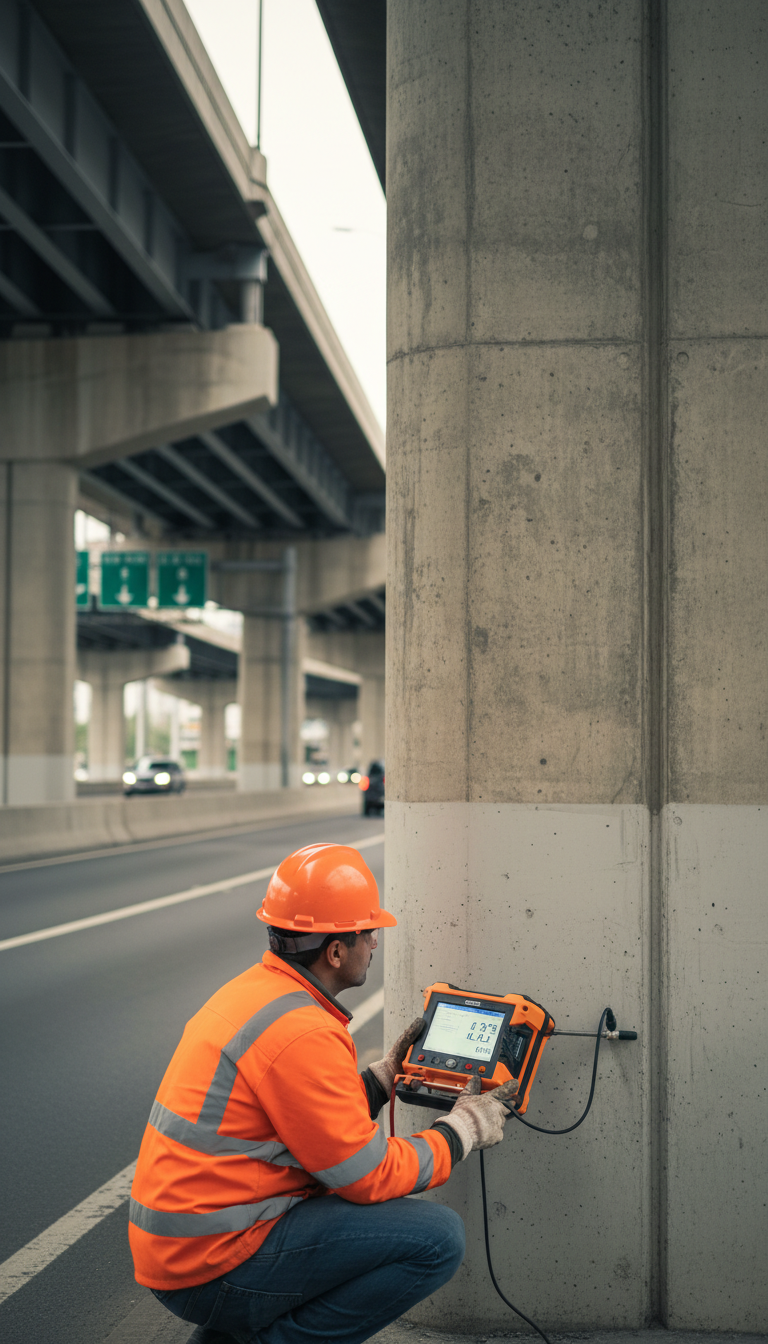
Success Factors in Coating Inspection
Several factors contributed to the success of coating inspection projects in New Zealand. These include:
- Skilled Personnel: The involvement of highly trained inspectors ensured accurate assessments and recommendations.
- Technology Integration: Utilizing state-of-the-art equipment allowed for precise and efficient inspections.
- Comprehensive Planning: Detailed project planning minimized risks and optimized resource allocation.
These elements combined to deliver high-quality results, prolonging the lifespan of important infrastructure.
Case Study: Wellington Railway Station
The Wellington Railway Station project showcased the importance of coating inspections in extending the service life of historic buildings. The station, a heritage site, required careful handling to preserve its architectural integrity while upgrading its protective coatings.
Challenges and Solutions
One of the main challenges was maintaining the station's aesthetic appeal while applying modern coatings. The team employed color-matching techniques to ensure that new coatings blended seamlessly with the original materials. Furthermore, eco-friendly coatings were selected to align with sustainability goals.

Conclusion: Lessons Learned
The successful coating inspection projects in New Zealand provide valuable lessons for future endeavors. By investing in skilled personnel, embracing technological advancements, and prioritizing meticulous planning, projects can achieve remarkable outcomes. These projects not only protect vital infrastructure but also contribute to the nation's economic and environmental sustainability.
As New Zealand continues to grow and develop, the insights gained from these case studies will undoubtedly guide future coating inspection projects, ensuring they meet and exceed industry standards.