Case Study: Successful Coating Inspection Projects in New Zealand


New Zealand's diverse climate and stunning landscapes pose unique challenges for industrial and commercial structures. Protecting these structures through effective coating inspection is vital for longevity and safety. This case study explores some successful coating inspection projects across the country, showcasing innovative strategies and technologies.
Understanding the Importance of Coating Inspections
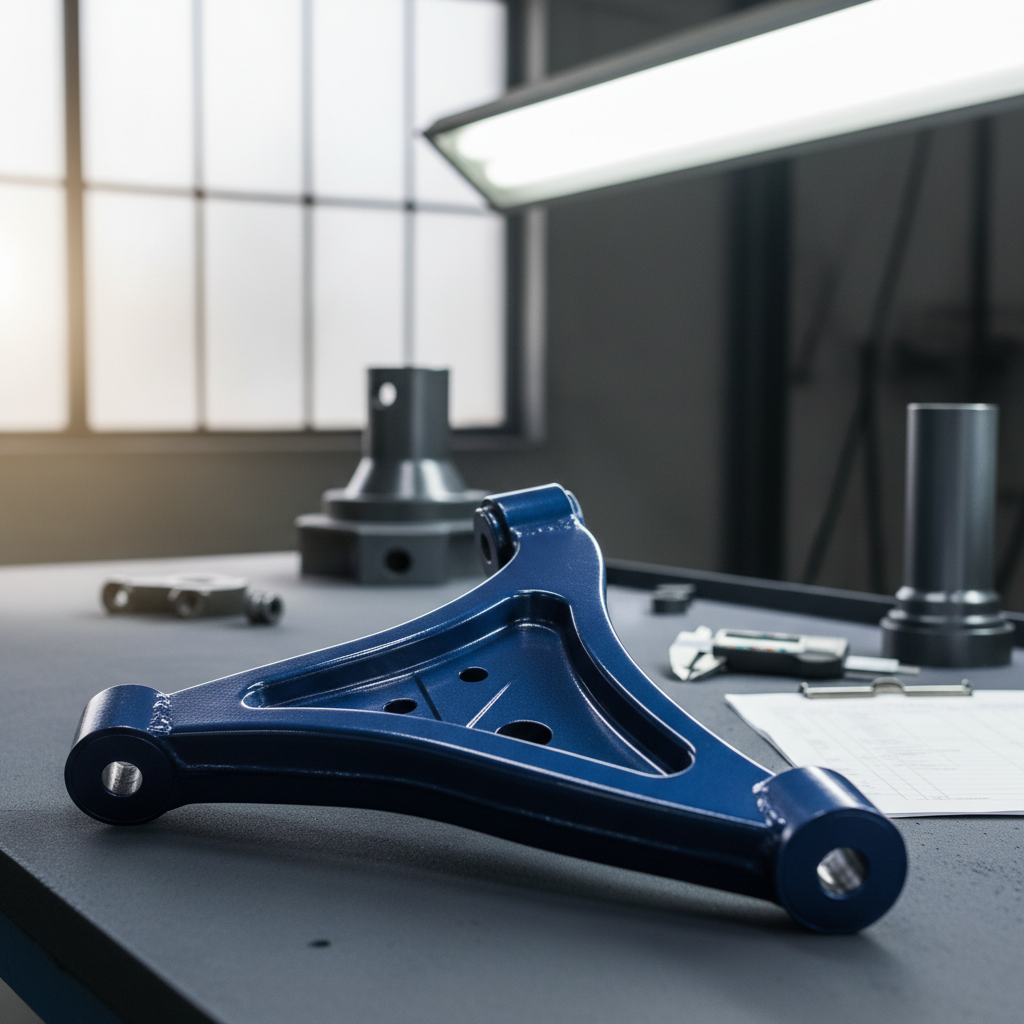
Coating inspections are essential to ensure that protective layers applied to structures are in optimal condition. These coatings prevent corrosion, weather damage, and other environmental impacts. In New Zealand, where weather conditions can be harsh, maintaining these coatings is especially important.
The frequency and thoroughness of inspections can significantly affect the lifespan of a structure. Regular inspections help in identifying potential issues before they escalate, saving both time and money in the long run.
Technological Innovations in Coating Inspections
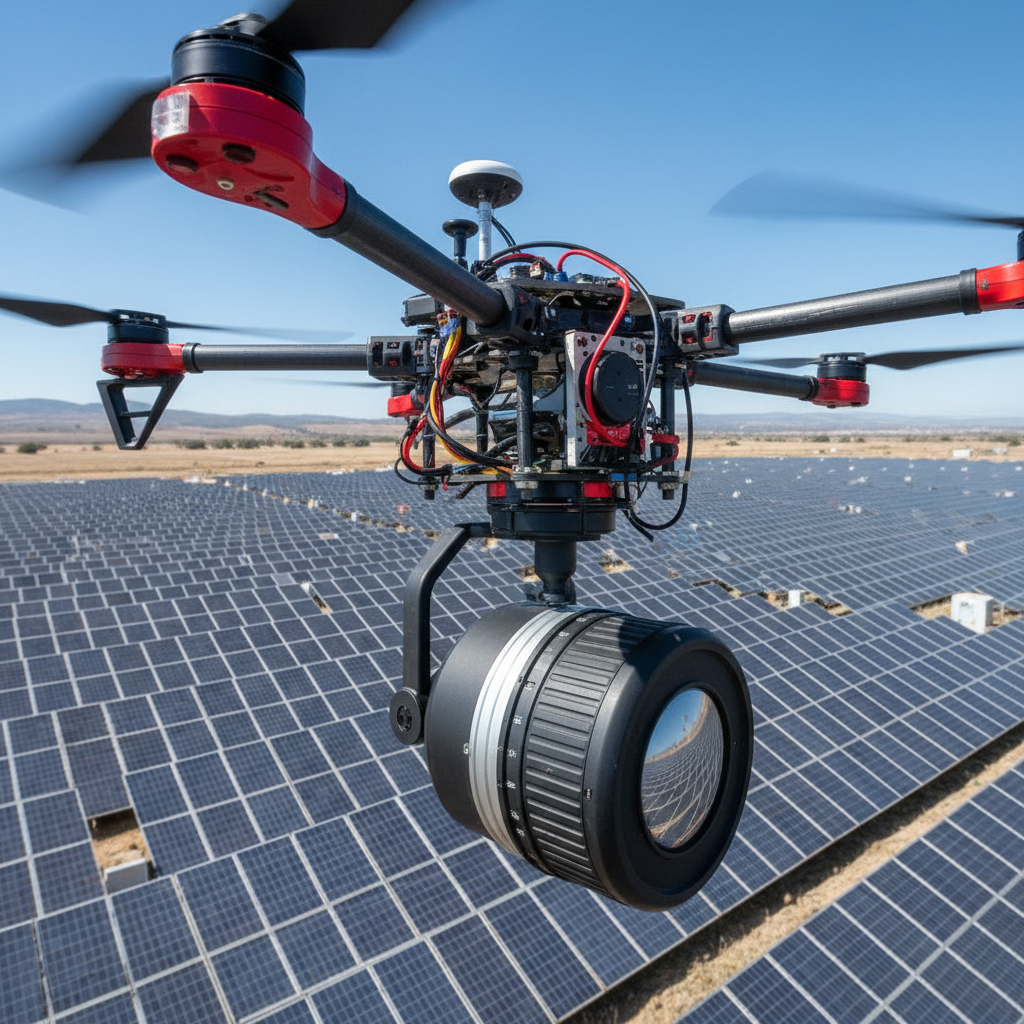
Recent advancements in technology have revolutionized the way coating inspections are conducted. The use of drones, for instance, allows for the inspection of hard-to-reach areas without the need for scaffolding or other costly equipment. This not only reduces costs but also enhances safety by minimizing the need for human inspectors to access potentially dangerous areas.
Additionally, the integration of AI and machine learning in inspection processes enables more precise and efficient analysis. These technologies can detect anomalies that might be missed by the human eye, ensuring a more thorough evaluation.
Case Studies of Successful Projects
Several projects in New Zealand stand out for their successful implementation of coating inspection strategies. One notable project involved the inspection of a major bridge in Auckland. By employing a combination of drone technology and AI, the inspection team was able to complete the project in half the expected time, with zero safety incidents.
Another successful project took place in Wellington, where a large commercial building underwent a comprehensive coating inspection. The use of non-destructive testing methods allowed for the preservation of the coating's integrity while identifying areas that required attention.
Lessons Learned and Best Practices
Through these projects, several best practices have emerged. Firstly, the importance of regular and scheduled inspections cannot be overstated. Consistent monitoring ensures that minor issues are addressed before they become major problems.
- Utilizing advanced technologies enhances the precision and efficiency of inspections.
- Training personnel in the latest methods and equipment is crucial for successful outcomes.
- Collaborating with experts in the field can provide valuable insights and improve project success rates.
The Future of Coating Inspections in New Zealand
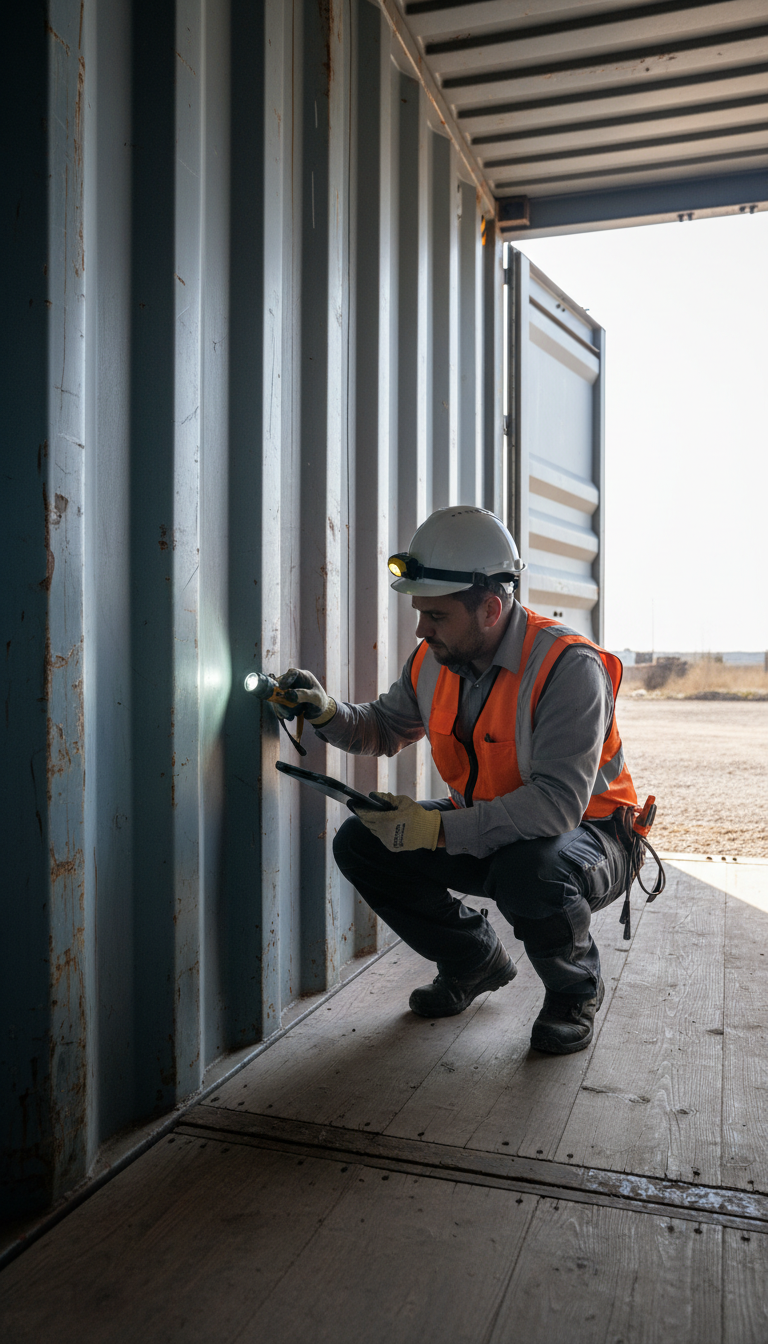
As technology continues to evolve, the future of coating inspections in New Zealand looks promising. The ongoing integration of digital tools and sustainable practices is set to further enhance the effectiveness and efficiency of these projects.
By embracing innovation and learning from successful case studies, New Zealand can continue to protect its infrastructure while setting new standards in the field of coating inspections.