Case Study: Successful Coating Inspection Projects in Auckland


Introduction to Coating Inspection Projects
Coating inspection plays a crucial role in maintaining the integrity and longevity of infrastructure. In Auckland, a city known for its diverse climate and coastal environment, successful coating inspection projects are vital for protecting assets from corrosion and wear. This case study explores some of the most successful coating inspection projects in the region, highlighting best practices and key achievements.
Understanding the Importance of Coating Inspections
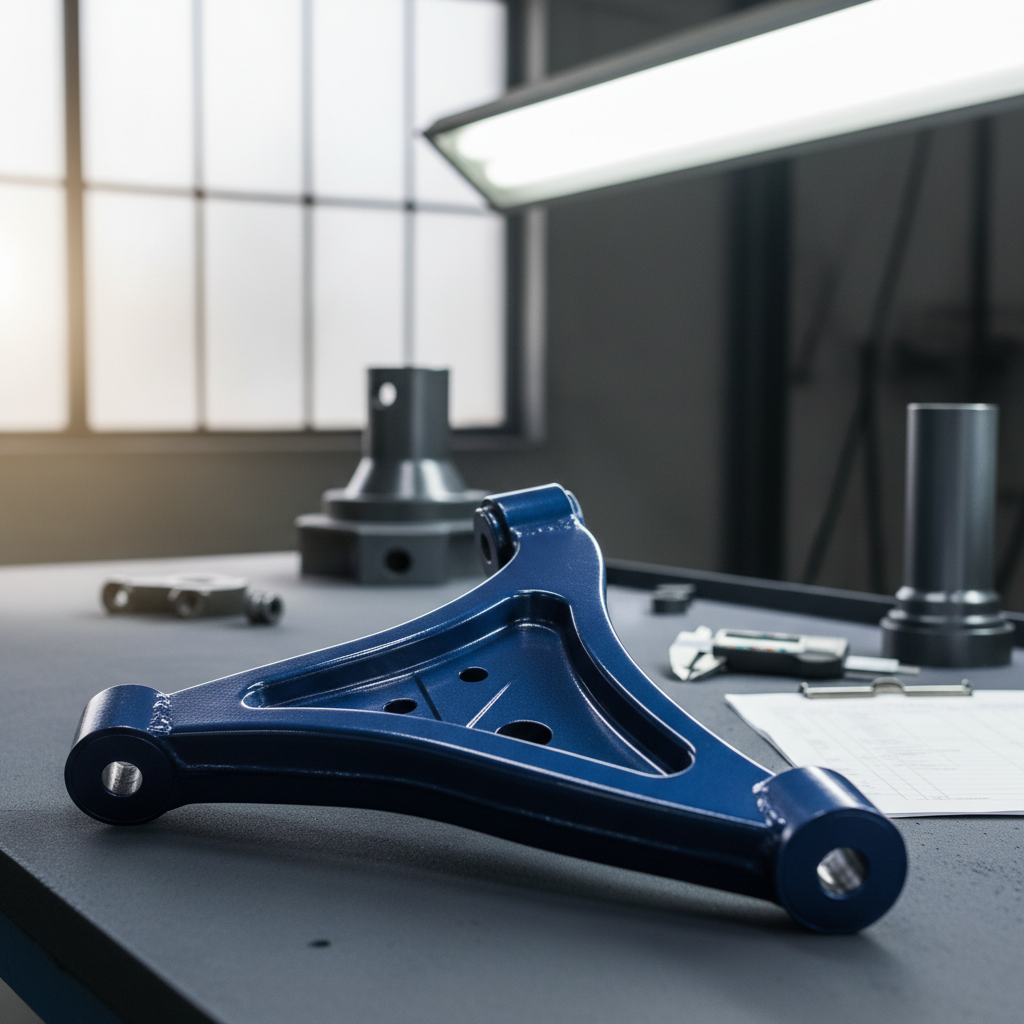
Coating inspections ensure that protective layers are applied correctly, preventing damage from environmental factors. Regular inspections help in identifying potential issues early, thus saving considerable repair costs. In Auckland, where structures are often exposed to harsh weather, these inspections are particularly significant.
The inspections typically involve a thorough assessment of the coating’s thickness, adhesion, and overall condition. Using advanced technologies, inspectors in Auckland have been able to provide precise evaluations, ensuring that the structures remain protected.
Key Projects in Auckland
Several high-profile projects in Auckland have set benchmarks for successful coating inspections. These projects not only preserved the structural integrity but also extended the lifespan of the assets. Let’s delve into some of these remarkable projects:
- Auckland Harbour Bridge: The iconic bridge underwent a comprehensive coating inspection to tackle corrosion issues, ensuring its durability and safety.
- Sky Tower: Regular inspections have kept this landmark in pristine condition, maintaining its aesthetic appeal and structural soundness.
- Port of Auckland: The port's infrastructure benefits from routine coating inspections, vital for operations in a maritime environment.

Advanced Techniques and Technologies
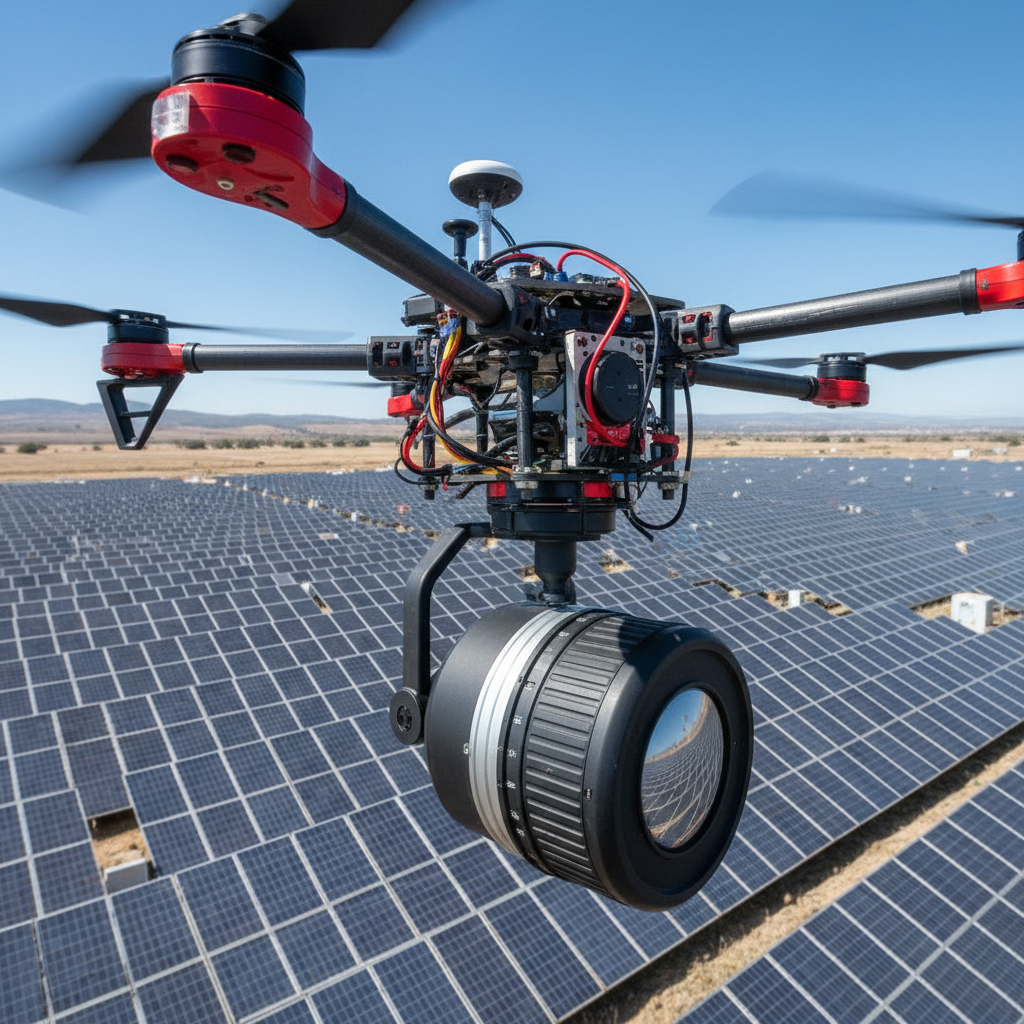
Incorporating cutting-edge technologies has been key to the success of these projects. Techniques such as ultrasonic thickness measurement, digital imaging, and drone inspections have revolutionized the approach to coating inspections in Auckland. These technologies allow for non-invasive, accurate assessments, making the process efficient and effective.
Moreover, the use of drones has facilitated inspections of hard-to-reach areas, ensuring no part of the structure is overlooked. These advancements have not only improved the quality of inspections but also reduced the time and costs involved.
Challenges and Solutions
Despite the successes, coating inspection projects in Auckland face several challenges. The city’s variable weather can complicate the inspection process, affecting the availability of ideal conditions for both inspection and coating application.
However, companies have adapted by scheduling inspections during favorable weather conditions and using weather-resistant materials. This strategic approach has minimized disruptions and maintained the quality and effectiveness of the coatings.
Lessons Learned and Future Outlook
The success of these projects provides valuable insights into the best practices for coating inspections. Regular maintenance, the use of advanced technologies, and strategic planning have been instrumental in achieving positive outcomes.
Looking ahead, the focus will likely be on further integrating technology and enhancing sustainability practices. As Auckland continues to grow and develop, the demand for efficient and effective coating inspections will increase, opening new avenues for innovation and improvement.
Conclusion
Coating inspections in Auckland have set a high standard for protecting infrastructure against environmental challenges. These projects demonstrate the importance of regular inspections, advanced technologies, and strategic planning in safeguarding valuable assets. As the city continues to thrive, these practices will remain critical in ensuring the longevity and resilience of its infrastructure.